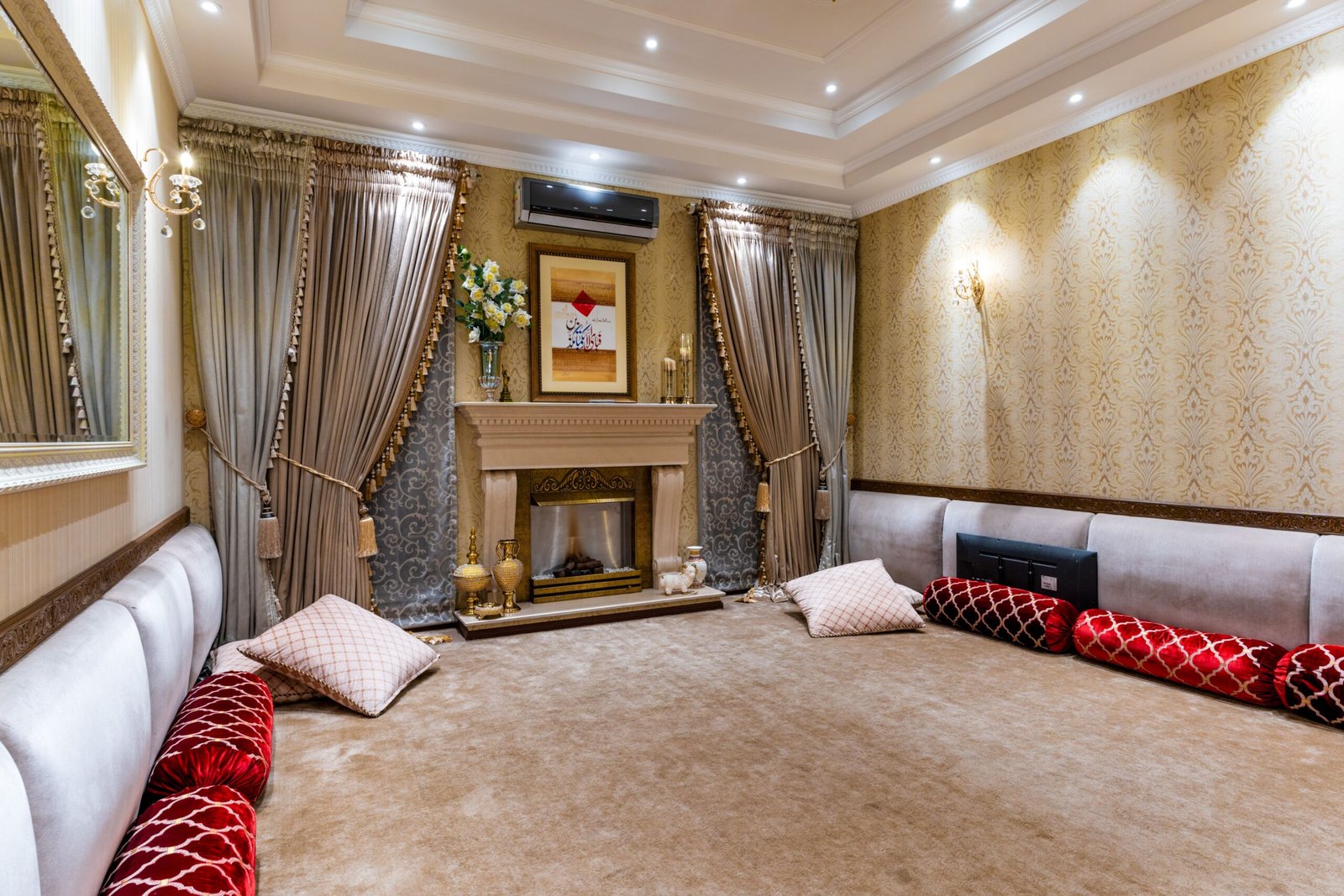
How to Design a Luxury Living Room That Feels Calm, Comfortable, and Put Together
To design a luxury living room, work in this order: decide how the room is used, measure it, plan the layout, choose a calm palette, buy one anchor piece first, layer the light, and finish with edited accessories. Shopping comes late in this process on purpose. When layout and light are right first, even modest furniture looks refined.
A luxury living room is not a room full of costly objects. It is a room where conversation feels easy, movement feels natural, and evening light feels warm. This guide gives you that sequence, plus a worked example you can adapt to your own room.
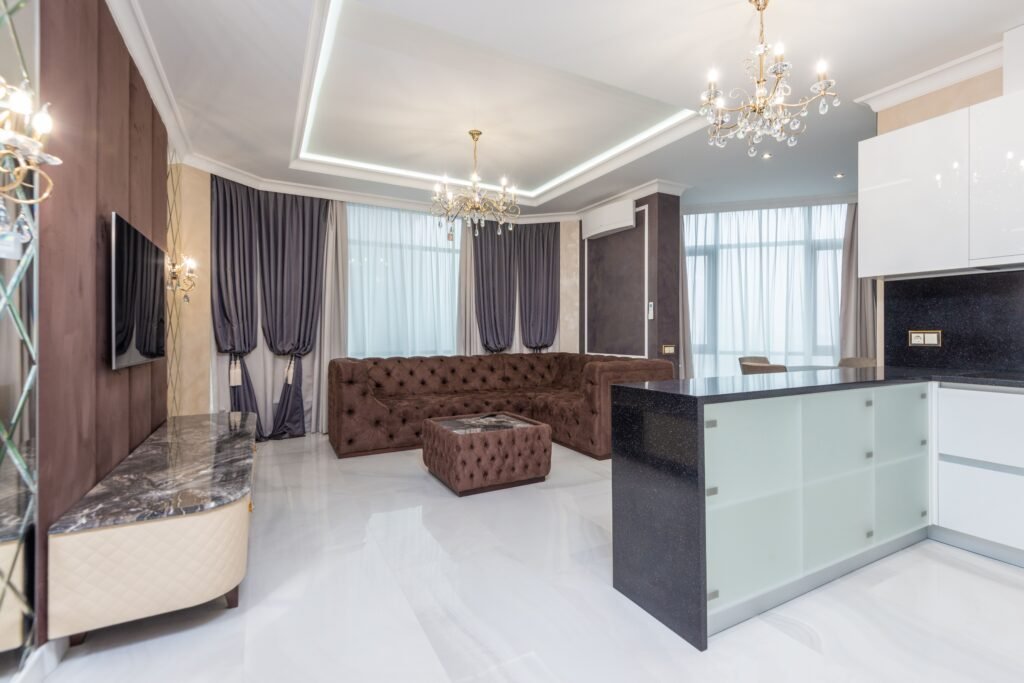
Start With How the Room Is Used, Not With Shopping
Every good living room starts with one honest question: what happens here most? A room for family conversation needs seating that faces each other. A room built around TV viewing needs seating that faces the screen without blocking paths. A reading room needs a good chair and a good lamp near it. A room for hosting needs extra seats that can be pulled in, not extra decoration.
Pick one main purpose, even if the room serves several uses. The main purpose decides the focal point. The focal point might be a fireplace, a window view, a TV, or a piece of art. Other pieces then support that point, instead of competing with it.
Also name the people and habits that shape the room. Do children play here? Do pets sleep on the sofa? Do guests stay late? These facts are not problems to hide. They are design information. A washable throw, a sturdy coffee table, and clear floor space for play are luxury choices when they let you relax instead of guarding the room.
If you rent, the same step applies. You may not change flooring or wall color, but you can still choose purpose, layout, light, and textiles. Renters often get the largest improvement from layout and lighting, not from permanent changes.
Measure Before You Shop
Measuring feels dull, and skipping it causes the most expensive mistakes in living room design. A sofa that cannot pass through a doorway, a rug that shrinks the seating area, or a bookcase that blocks an outlet all start with guessing.
Before you buy anything large, measure and note the following: wall lengths, ceiling height, window and door positions and sizes, outlet locations, and the paths people walk. Also measure doorways, hallways, and stair turns on the delivery route. A piece that fits the room but not the hallway is still a failed purchase.
Write the numbers in one place, on paper or in a phone note, and carry them when you shop. Photograph the room from the doorway and from each corner. Photos help you judge scale later, when a showroom makes everything look smaller than it will at home.
Guides on how to design a luxury living room and on general living room planning agree on this discipline: measure the space first, choose a clear purpose and focal point, and plan lighting before final decoration. It is slower at the start and faster overall, because it prevents returns and awkward compromises.
For safety, plan to anchor tall furniture to the wall and to secure loose cords along walls, out of walkways. If your plan needs new wiring, new circuits, or moving a wall, hire a licensed professional before that work begins. Layout ideas are safe to test on paper. Electrical and structural work is not.
A Worked Example: One Room, Three Zones
Here is a labeled example, not a rule for every home. Imagine a rectangular living room, about 18 feet long and 14 feet wide, with a fireplace on one short wall and windows on one long wall. The household wants conversation first, TV second, and a reading corner if space allows.
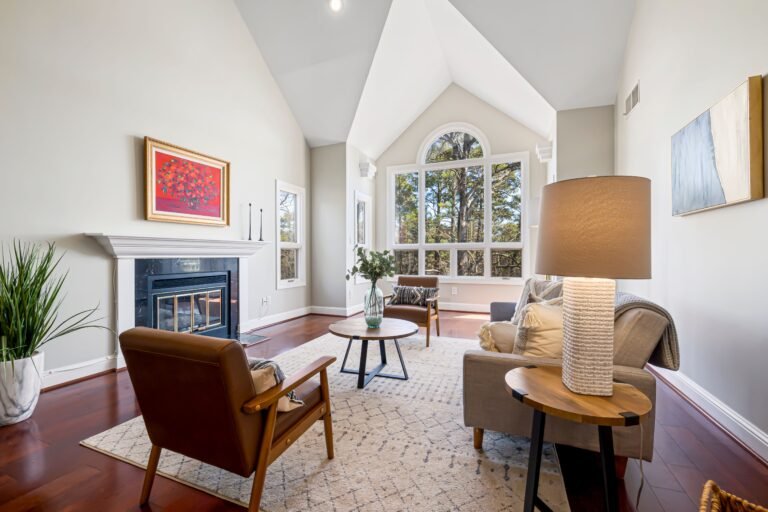
Zone one is conversation. Place the sofa facing the fireplace, with two chairs angled toward it. Leave about 3 feet of walking space behind the chairs where people pass through. Put the coffee table within easy reach of every seat, roughly an arm’s length away. This zone is the heart of the room, so give it the rug, the best light, and the clearest view.
Zone two is media, kept quiet. Instead of building the whole room around a TV, place the TV on a side wall or on a stand that can be viewed from the sofa without turning the conversation zone into a theater row. If the TV must share the fireplace wall, keep its size in proportion to that wall and keep seating flexible, so the room still works when the TV is off.
Zone three is a reading corner by the window. One comfortable chair, a small side table, and a floor lamp are enough. This corner uses daylight during the day and one warm lamp at night. It also gives a guest a place to sit apart without leaving the room.
Now check the paths. Can two people pass each other without turning sideways? Can someone reach the kitchen or hallway without crossing directly in front of the TV or squeezing behind the sofa? If a path fails, move one piece before you buy anything new. In this example, the fix is often simple: shift the rug, angle a chair less sharply, or choose a narrower coffee table.
Adapt the zones to your room. A small room may have only two zones: conversation and reading, with the TV inside the conversation zone. A long, narrow room may run zones in a line instead of a cluster. The principle stays the same: give each use a clear place, and protect the paths between them.
Pick a Palette You Can Live With
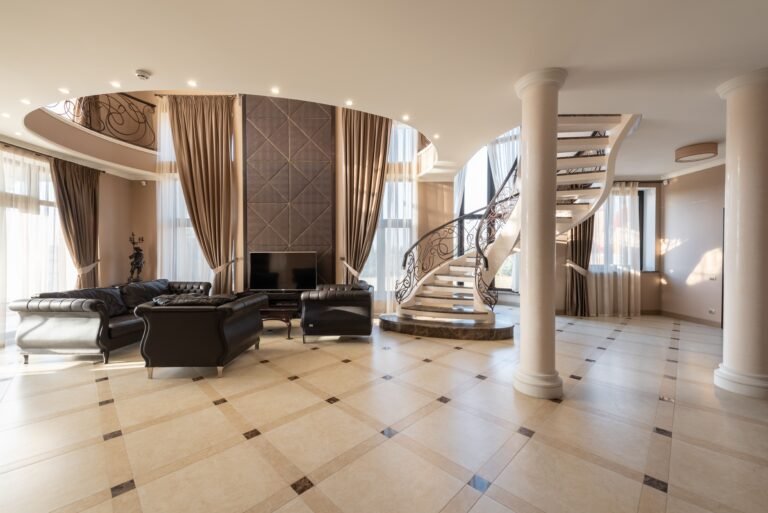
A luxury palette usually starts calm. Warm white, cream, soft gray, taupe, or pale sage give the room a quiet base. Then add one deeper accent, such as navy, forest green, rust, or charcoal, in cushions, art, or a throw. A second accent can appear in small amounts, in wood tones or metal finishes.
Texture matters as much as color. Mix smooth and soft: linen with wood, wool with stone, glass with velvet. When colors stay calm, texture keeps the room interesting. When every surface is smooth and shiny, the room can feel cold. When every surface is rough and busy, it can feel restless.
A flexible color guide many designers use is 60-30-10: about 60 percent a main color, 30 percent a secondary color, and 10 percent an accent. Treat it as a starting point, not a strict rule. If your room already has a strong floor color or a brick fireplace, let that existing color count as part of the palette instead of fighting it.
Test paint and fabric in your own light. A color that looks soft in a store can look gray or pink at home under warm bulbs. Paint a large sample board, move it around the room, and look at it in daylight and in the evening before you commit.
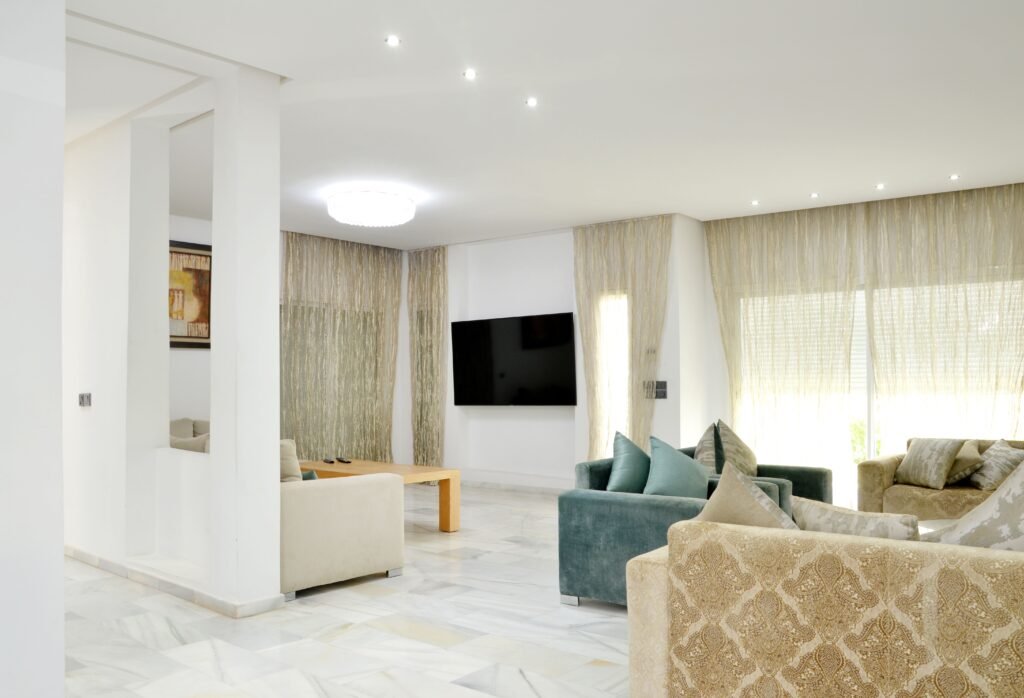
Choose One Anchor, Then Supports
When it is time to buy, choose one anchor piece first. In most living rooms, the anchor is the sofa, or a pair of chairs if the sofa is already settled. The anchor sets the scale, comfort level, and style direction for everything else. Spend the most care here: sit on it, check its depth, check its seat height, and check that its size fits your measurements.
Next, choose supports that relate to the anchor: a coffee table at a comfortable height, a rug large enough to ground the seating area, and lighting that serves the seats. A common guide is that most or all of the front legs of seating should sit on the rug, so the rug reads as part of the group rather than as a small mat in front of it. In a small room, a rug that fits under the front legs and extends a little beyond the sides still works better than a tiny rug floating in the middle.
After the anchor and supports, add secondary seating, storage, and side tables. Each new piece should answer a use: Where will guests sit? Where do books, remotes, and chargers live? Where does a drink go without crowding the coffee table? Pieces without a use tend to become clutter, even when they are beautiful.
Advice on luxury living room furniture follows the same logic: plan space and traffic flow first, then layer lighting. Choose a palette, select quality materials, and invest in statement furniture that is also comfortable — comfort is part of the statement. A striking chair that no one sits in does not make a room luxurious.
If your budget is tight, buy in this order and pause between stages: anchor seating, rug, lighting, then accessories. Pausing lets you live with each stage and notice what is actually missing, instead of filling the room in one shopping trip.
Layer the Light for Day and Evening
Light is the fastest way to change a living room’s feeling, and the most common reason a room looks fine by day but flat at night. Luxury rooms use layers, not one bright source.
General light fills the room. This may come from ceiling fixtures, recessed lights, or a central pendant. Keep it soft enough to live under, and use dimmers where possible so the same room can shift from cleaning brightness to evening calm.
Task light serves an activity. A floor lamp beside a reading chair, a table lamp beside the sofa, or a small light near a game table all count. Place task light close to where it is used, at a height that lights the book or the work without shining into eyes.
Accent light draws attention. A picture light over art, a small uplight behind a plant, or a warm strip behind a shelf adds depth. Accent light should be quieter than general light. If every accent is bright, nothing stands out.
During the day, use natural light well. Sheer curtains soften glare while keeping brightness. Mirrors opposite or beside windows can bounce light deeper into the room. Keep window treatments simple enough that you actually open them.
In the evening, switch on lamps before overhead lights, and keep the brightest light out of direct sightlines. Warm bulbs usually feel more relaxing in a living room than harsh white ones. The goal is a room that feels welcoming at 8 p.m., not only photogenic at noon.
For more ideas on how these principles appear across the home, browse the Luxury Home Design guides on this site.
Finish With Art, Mirrors, and Edited Accessories
Finishing touches fail when they are added all at once. Add them slowly, and edit as you go.
Art should fit its wall. A small frame alone on a large wall looks lost, while a large piece or a grouped arrangement fills the space with intention. Hang art so its center sits near eye level when you are standing, or slightly lower over a sofa. Light it if you can: a picture light or a nearby lamp makes art part of the room at night, not only by day.
Mirrors help small or dark rooms by reflecting light and views. Place a mirror where it reflects something pleasant, such as a window, a plant, or art — not a blank wall or clutter. A mirror above a console or fireplace can also anchor that wall, but keep its size in proportion to the furniture below it.
Accessories work best in small, intentional groups. Combine heights and textures: a low bowl, a taller vase, and a stack of books, for example, read as one arrangement rather than three separate objects. Leave empty space on shelves and tables. Empty space lets the eye rest and lets good pieces stand out.
Then edit. Remove one item from each surface and live with the room for a week. If you miss the item, bring it back. If you do not notice it is gone, it was clutter. Luxury rooms often feel complete not because they contain more, but because everything left in them was chosen.
The Evening Test
Before you call the room done, test it in the evening, when most living rooms are actually used. Sit in each seat. Can you read without glare? Can you talk without raising your voice over a humming fixture or a TV that dominates the room? Can you walk to the kitchen in dim light without tripping on a cord or a rug corner?
Also test hosting. Invite one or two people, or simply imagine the flow: where do guests sit, where do drinks go, where do coats land? A room that passes the evening test feels calm, not staged. A room that fails usually needs one fix — a lamp moved, a chair angled, a rug secured — rather than a new purchase.
Write down the one fix the test reveals, and do that fix before buying anything else. This habit is what keeps a luxury living room feeling refined over time. Rooms change as families, seasons, and needs change. The test keeps the room honest.
Frequently Asked Questions
How do I design a luxury living room on a budget?
Follow the same order and spend in stages: layout and light first, one anchor seat next, then rug and lamps. Choose calm colors, mixed textures, and fewer, better accessories. Pausing between stages prevents costly impulse buys.
What is the first step in designing a luxury living room?
Decide the room’s main use and focal point, then measure. Purpose decides layout, and measurements decide what fits. Shopping before these steps is the most common cause of returns.
How should I arrange furniture in a luxury living room?
Arrange seating for conversation first, protect walking paths, and keep the coffee table within reach of every seat. Give each use a zone, and keep the focal point clear rather than crowded.
What colors work for a luxury living room?
Calm neutrals as a base, with one deeper accent, usually work well. Texture matters as much as color: mix linen, wool, wood, and stone so a calm palette still feels rich. Test samples in your own daylight and evening light.
How many lights does a luxury living room need?
Most rooms need at least three layers, not a number of fixtures: general light, task light where you read or sit, and accent light for art or texture. Dimmers help the same room serve day and evening uses.
What makes a living room look expensive but still comfortable?
Right-sized furniture, a rug that grounds the seating, layered warm light, clear paths, and a few personal pieces. Comfort is the difference: if guests avoid sitting down, the room is a display, not a living room.
A luxury living room does not arrive in one delivery. It grows in the right order: use, measure, layout, palette, anchor, light, finish, test. Start with the step your room needs most, live with the change, and let the next step follow from what you notice. That patience is, quietly, the most luxurious part of the whole process.
Disclaimer
This article offers general design information for inspiration. Homes, room sizes, budgets, and needs vary, so adapt ideas to your own space. For electrical, structural, or other technical work, consult a qualified professional before you begin.