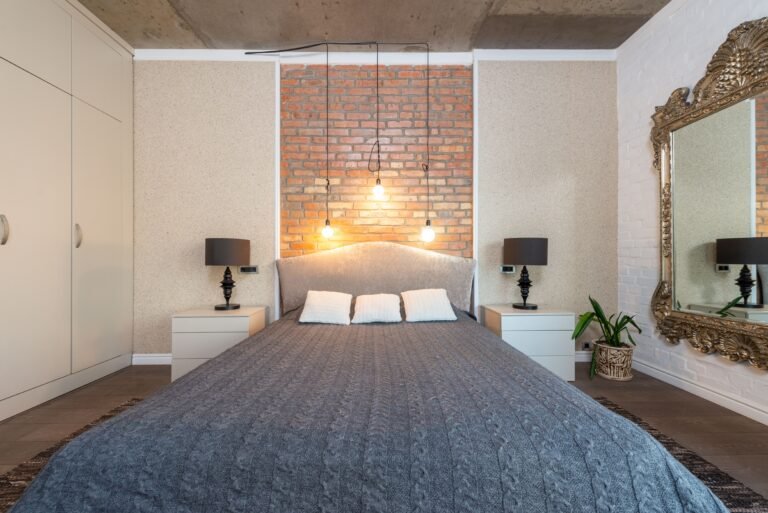
What Is the Importance of Interior Design? How Your Home Shapes Daily Life
Interior design is important because it decides how your home works, not just how it looks. It plans where you walk, where light falls, where things are stored, and how a room supports rest, work, and time together. A room can be beautiful in a photo and still fail every day if the layout blocks movement, the light glares, or nothing has a place.
That is the core idea. Looks matter, but they are only one part of design. The rest is function, comfort, safety, and how well a room holds up over time. This article explains each part in plain terms, shows how to audit one room yourself, and explains when a professional is the right call.
The Short Answer: Design Decides How a Home Works
Interior design is the planning of an interior so it fits the people who use it. The International Interior Design Association defines it as the professional practice of creating an interior environment that addresses, protects, and responds to human need, combining creative, technical, and functional planning with a mandate for well-being, safety, and health. You can read that definition on the IIDA definition page.
In everyday language, that means design answers questions before furniture arrives. Where do people enter? Where do they sit? What needs power, quiet, or daylight? What must stay clear for safety? When those questions are answered well, a home feels easier. When they are ignored, even expensive furniture cannot save the room.
Think of a kitchen where the fridge door blocks a walkway, or a bedroom where the only reading light shines into a partner’s eyes. Neither problem is about taste. Both are design problems: layout, light, and use were not planned together.
Design also plans for change. A spare room may later become a nursery, an office, or a guest room. A flexible layout, good storage, and simple wiring choices make that change easier. A room planned for only one exact moment can feel wrong a year later.
Five Jobs Every Room Is Already Doing
Every room, whether anyone planned it or not, is already doing five jobs. Good design simply does them on purpose.
Movement
Movement is the paths people take through a room. A good path is clear, wide enough for daily use, and free of sharp corners or tripping hazards. In a living room, that means you can reach a seat without stepping over a coffee table. In a hallway, it means bags, shoes, and doors do not collide. If you often shuffle sideways or move furniture to pass, movement needs attention.
Light
Light decides whether a room feels welcoming or tiring. Daylight helps you see, wake up, and feel connected to the outside. Evening light should be soft and placed where you need it: near a chair for reading, over a table for meals, low near a bed for winding down. One bright ceiling light for every task is rarely enough, and it often creates glare.
Storage
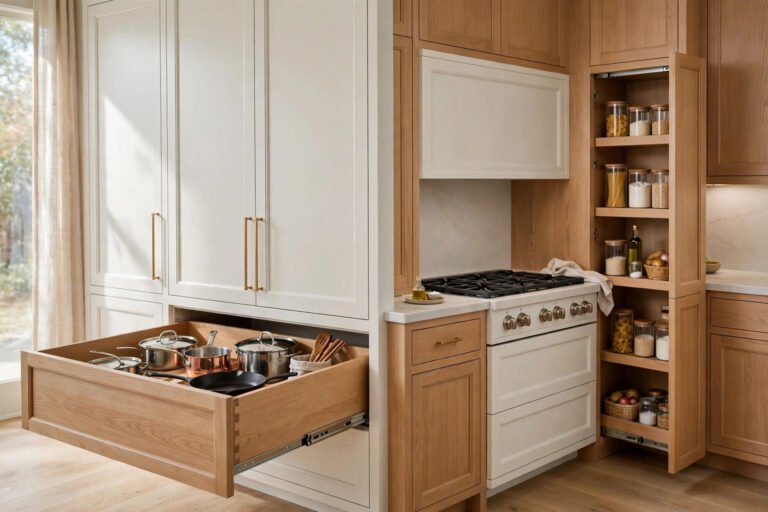
Storage is not about owning more cupboards. It is about giving everyday items a home near where they are used. Coats near the door, chargers near a seat, bedding near a bed. When storage is missing, surfaces become storage, and a room starts to feel chaotic even when it is clean.
Rest
Rest is the room’s ability to help you slow down. That includes a comfortable seat or bed, a quiet corner, control over light and noise, and a feeling of order. A bedroom with a harsh light and a cluttered nightstand works against rest, even if the bedding is new.
Gathering
Gathering is how a room brings people together — or keeps them apart. Seats that face each other invite conversation. A table sized for the household invites meals together. A room with only one seat facing a screen invites parallel silence instead. Neither is wrong, but the design should match what you want the room to do.
When a room feels “off” but you cannot say why, check these five jobs first. Usually one of them is failing.
How Design Touches Mood, Sleep and Focus — Without Promising Miracles
Research links interior conditions to how people feel, but the honest version matters. Design can support mood, sleep, and focus. It cannot guarantee them, and no paint colour or layout cures a health problem.
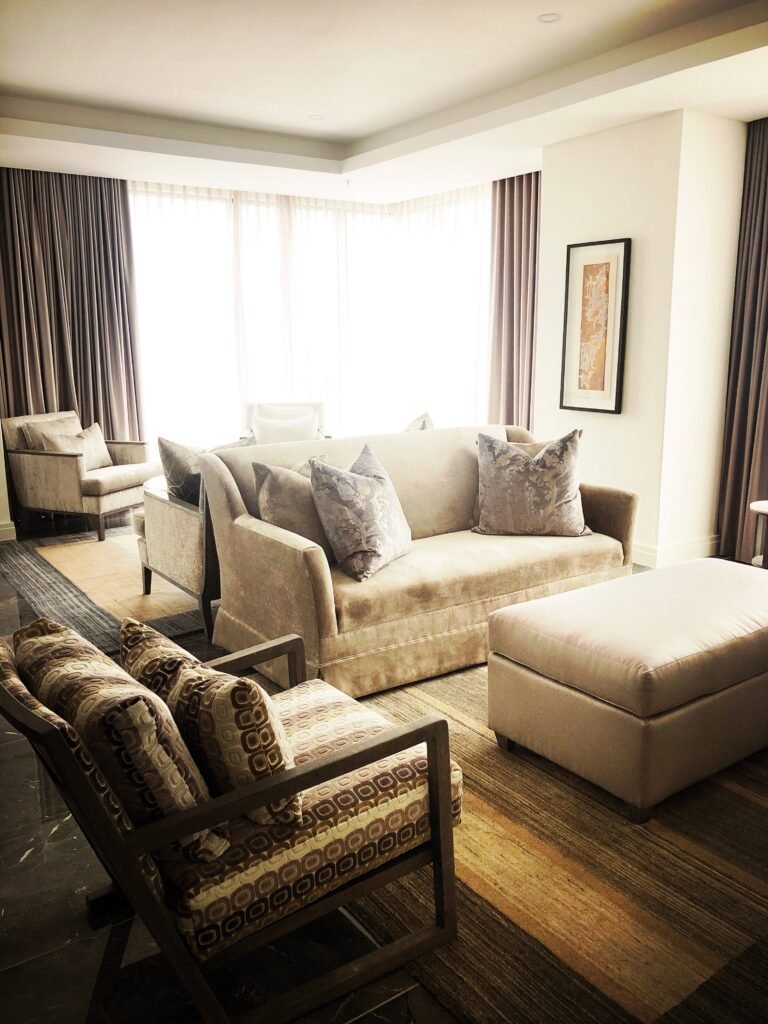
Daylight is the strongest example. Exposure to daylight helps regulate the body’s daily rhythm, which is linked to mood and sleep quality. Large windows, mirrors placed to bounce light, and sheer curtains that admit daylight can all help a room feel brighter. At night, the opposite helps: dim, warm light signals winding down.
Natural elements also play a role. Plants, wood, stone, and views of greenery are linked in wellbeing reviews to lower stress and better mood, an approach often called biophilic design — design that brings nature indoors. You do not need a jungle. One plant, a wooden tray, or a view kept clear of clutter can be enough.
Air and materials matter too. Low-VOC paints — paints that release fewer volatile organic compounds, the chemicals that can cause that strong “new paint” smell — and good ventilation support a fresher room. Ergonomics, which means fitting furniture and work heights to the human body, supports posture and comfort: a chair at the right height, a desk that does not force you to hunch, a bed that lets you sleep without strain.
Colour plays a supporting role. Cool blues and greens are often linked to calm, while warm yellows and oranges feel energetic. But colour works with light, texture, and personal taste. A blue room with harsh light will not feel calm. A warm room with soft light and good seating often will. Treat colour as one ingredient, not a cure.
A balanced summary of these ideas appears in HGTV’s design-and-wellbeing guide, which covers daylight, biophilic elements, colour, and furniture together. You can read it on the design for wellbeing guide.
The takeaway is modest and useful: design shapes the conditions for wellbeing. Sleep, mood, and focus also depend on health, routine, and life outside the home. A well-designed room removes friction. It does not replace care, rest, or professional help when those are needed.
Interior Design Is Not the Same as Decoration
People often use “design” and “decoration” as if they mean the same thing. They do not, and the difference explains why design matters even when a room already looks nice.
| Interior design | Interior decoration | |
|---|---|---|
| Main focus | Layout, function, safety, and how a room works | Colour, furniture, textiles, and styling a finished room |
| Typical work | Space planning, lighting plans, storage, material choices | Choosing cushions, art, curtains, and accessories |
| Rules involved | Building, fire, and accessibility rules can apply | Rarely involved |
| When you need it | Before building, moving walls, rewiring, or re-planning | When the room structure is settled and needs finishing |
A decorator can make a finished room beautiful. A designer asks whether the room itself works first. That is why a room can be well decorated and still poorly designed: the cushions match, but the seating blocks the door.
Licensing adds another wrinkle. In the United States, rules for who may call themselves an interior designer, and what work requires a license, vary by state. Some states restrict the title, some restrict the practice, and some restrict neither. If you hire someone for structural, electrical, or code-related work, check your state’s rules and the person’s qualifications. Do not assume a title alone proves it.
Run a One-Room Audit in 20 Minutes
This is the original tool in this article, and it turns the ideas above into action. Pick one room — the one that bothers you most — and walk it slowly with a notebook. Score each of the five jobs simply: works, partly works, or fails.
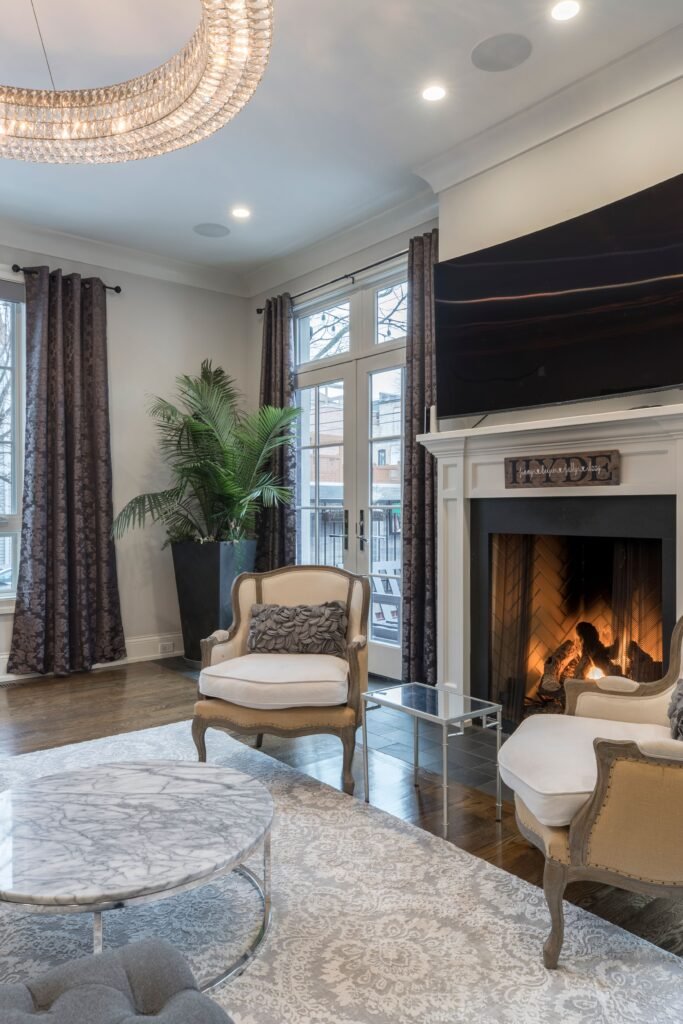
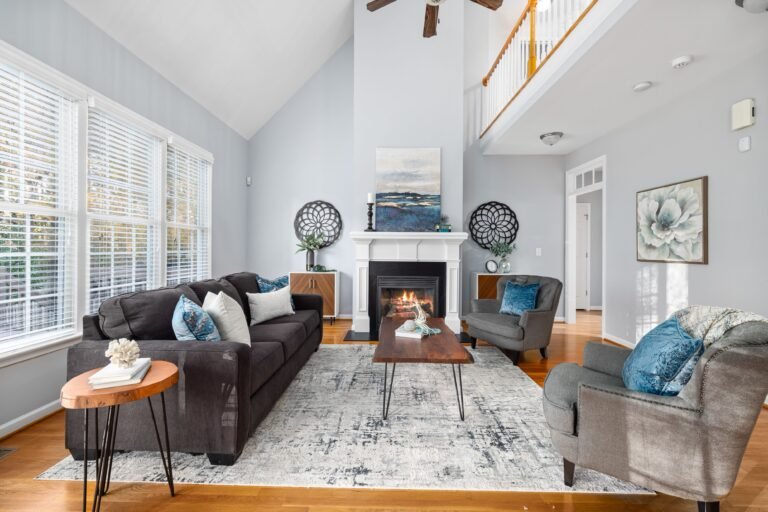
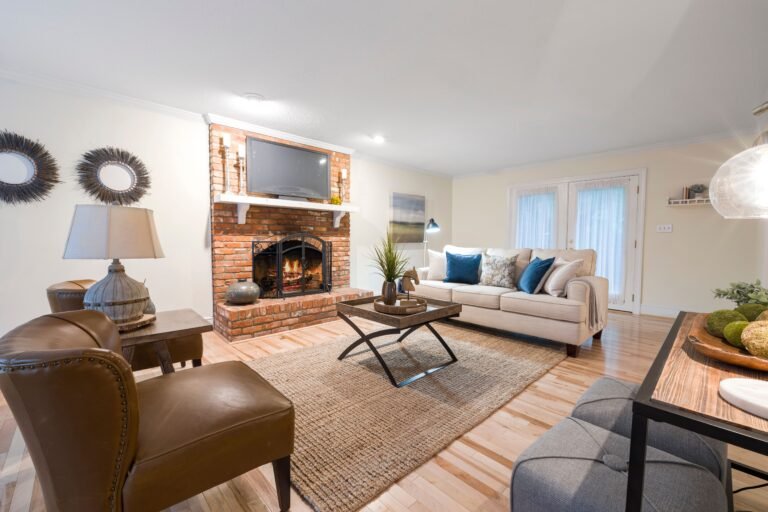
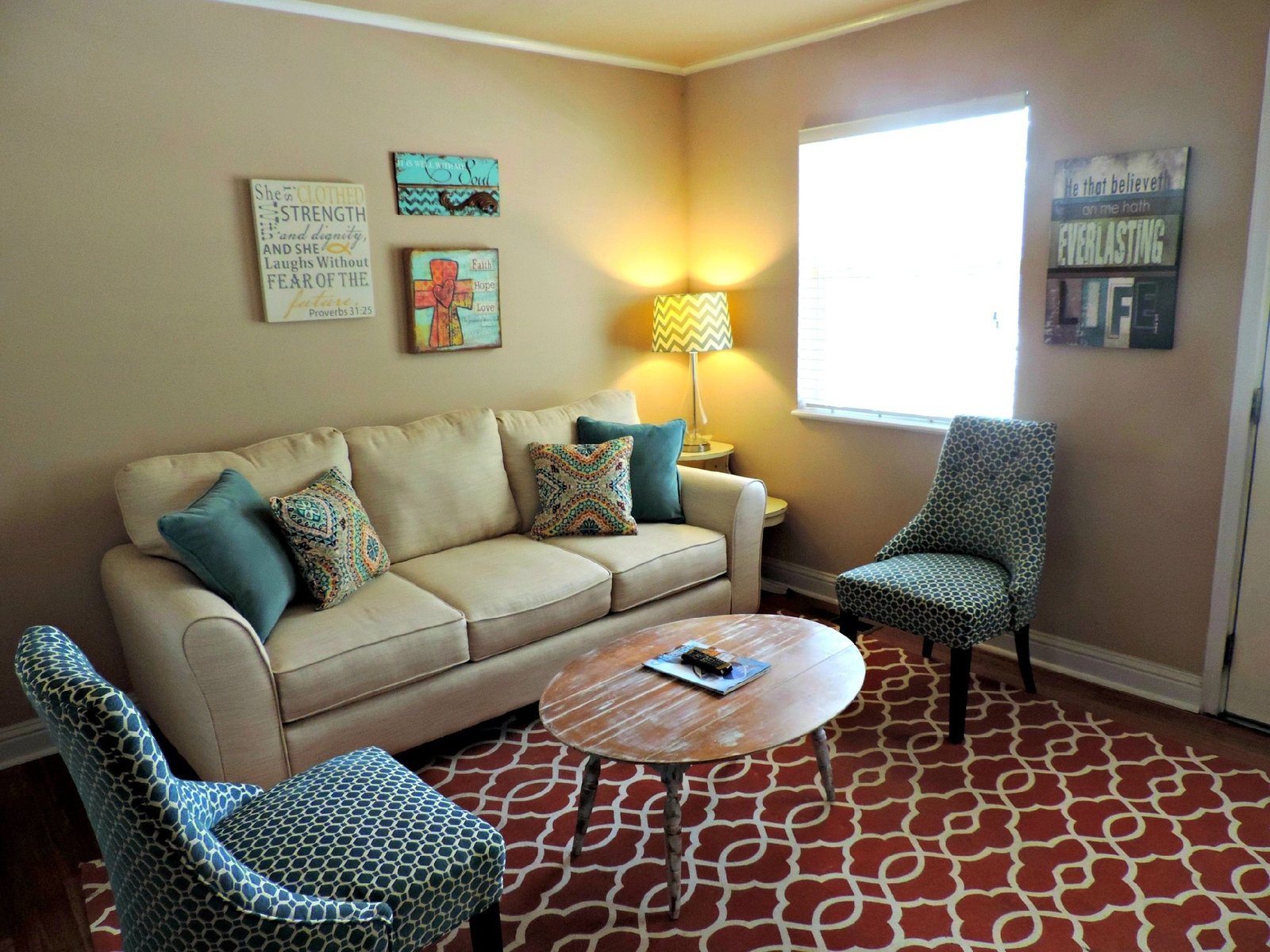
Imagine an example living room. The sofa faces the TV, but the only path to the kitchen cuts between the sofa and the TV. The room has one bright ceiling light and no lamp near the reading chair. Books, chargers, and toys live on the coffee table because no storage sits near the seats. The room’s audit looks like this:
- Movement: fails — the main path crosses the viewing line.
- Light: partly works — daylight is good, evening light is harsh and single-source.
- Storage: fails — no home for daily items near the seats.
- Rest: partly works — the sofa is comfortable, but clutter and glare fight it.
- Gathering: works — seats face each other as well as the screen.
Now the fixes write themselves, in priority order. First, shift the sofa or the coffee table so the kitchen path runs behind the seating, not through it. Second, add one lamp near the reading chair and a dimmer or lower-wattage bulb for evenings. Third, add a basket or a console drawer near the seats for chargers and toys. None of these requires a renovation. All of them come from the audit, not from a shopping list.
Run the same audit in your room. Fix the failing job first, then the partial ones. Stop when the room works for daily life, not when it matches a photo. A room that scores “works” on all five jobs may still look plain, but it will feel right — and plain is easy to style later.
Importance on a Small Budget, and in a Rental
Interior design is not only for large budgets or owned homes. In fact, the smaller the budget, the more planning matters, because every purchase must earn its place.
Start with what costs nothing. Move furniture to fix a path. Open curtains for daylight. Clear one surface completely. Swap lamps between rooms so evening light lands where you sit. These changes test the five jobs without spending.
Next, spend on the failing job, not on decoration. If storage fails, a basket or a shelf beats a new cushion. If light fails, a lamp beats a wall print. If movement fails, removing one piece of furniture beats adding another.
Renters can design too. Removable hooks, freestanding storage, rugs, lamps, and bedding change how a room works without changing the structure. Paint, if your lease allows it, is a bigger step. What renters should avoid is structural work, rewiring, or anything that alters the home without the landlord’s written permission. Design within the lease is still real design.
A useful rule: one planned change per month beats ten impulse buys. Each change teaches you what the room actually needed.
When Design Stops Being Decoration and Needs a Professional
Some design decisions carry safety, legal, or structural weight. Before you move a wall, change wiring, move plumbing, alter a staircase, or change anything that affects fire safety or accessibility, hire a licensed professional. This boundary comes before the work, not after a problem appears.
The Council for Interior Design Qualification explains that certified designers apply building and fire codes, plan safe exit pathways, and ensure spaces are accessible for persons with disabilities, protecting public health, safety, and welfare. You can read CIDQ’s own public-protection explanation on the CIDQ public protection page.
You do not need a professional to move a sofa or choose a lamp. You do need one when the work could affect structure, safety, or code compliance, or when permits may be required. A good professional also saves money by catching problems early: a wall that cannot move, a circuit that cannot take more load, a layout that blocks an exit route.
If you are unsure whether your project crosses that line, ask. A short consultation is cheaper than undoing unsafe work.
Frequently Asked Questions
What is interior design, in simple terms?
Interior design is planning how an interior works for the people who use it — layout, movement, light, storage, safety, and comfort — and then choosing finishes and furniture to support that plan.
Why is interior design important if my home already looks fine?
Because looks are only one job. A home that looks fine can still waste time, strain your body, or fight rest if movement, light, or storage fail. Design checks those jobs, not just appearance.
What is the difference between interior design and interior decoration?
Design plans and changes how a room functions, including layout and safety. Decoration furnishes and styles a finished room. Decoration is often the last layer of design, not a replacement for it.
Can interior design improve wellbeing?
It can support wellbeing by improving daylight, air, comfort, and calm order, according to wellbeing reviews. It cannot guarantee better mood or sleep, and it does not replace health care.
Do I need a professional interior designer?
Not for styling or furniture moves. Consider one for re-planning a layout, structural changes, electrical or plumbing moves, accessibility needs, or any work that may need permits or code compliance.
A Final Thought
Interior design matters because you live inside its results every day. You walk its paths, sit in its light, and search its storage. When those pieces are planned with care, a home feels easier, calmer, and more like yours — even without a large budget or a perfect style.
Start with one room and the five-job audit. Fix what fails first. That single habit captures most of the importance of interior design, and it costs nothing to begin.
To see how this site approaches homes in general, read the about Luxury Homes Idea page, which sets out a comfort-first, practical view of design.
Disclaimer
This article gives general home design information only, and homes, budgets and needs vary. For structural, electrical, plumbing or code-related work, hire a licensed professional before you start.