Interior Decorating Ideas for Beginners: Start With a Feeling, Not a Store
The most useful interior decorating ideas start with a feeling, not a shopping trip. Decide how you want a room to feel — calm, lively, cozy, or fresh — and then add decorating in layers: clear the clutter, settle the large pieces, choose colors, layer the light, and finish with textiles and personal details. Shopping comes last, after the plan exists, because a plan is what stops a cart full of pretty things from becoming a room that does not match.
That order matters more than any single idea in this guide. A beautiful lamp cannot fix a room whose furniture fights daily life, and a trendy cushion cannot fix lighting that leaves half the room in shadow. Photos are wonderful for inspiration, but a room must also fit the way you actually live in it.
Choose a Feeling Before You Choose a Style
Style names — modern, traditional, rustic, Scandinavian — are useful shorthand, but they are a hard place to start. Most beginners do not know which label fits them, and labels alone do not tell you what to buy. A feeling is easier and more honest.
Try this filter, the original decision tool of this guide. Pick the one sentence that sounds most like home to you:
- Calm: “I want to come home and breathe out.” Lean toward soft neutrals, simple shapes, and very little clutter.
- Cozy: “I want the room to wrap around us.” Lean toward warm colors, soft textiles, layered lamps, and seating that invites lingering.
- Lively: “I want energy when friends come over.” Lean toward bolder color accents, interesting art, and flexible seating.
- Fresh: “I want the room to feel clean and bright.” Lean toward light colors, natural materials, mirrors, and plants.
Now test every decorating idea against that sentence. A black velvet sofa might be beautiful, but if your sentence is “calm,” it may fight the room. A bright pattern rug might be fun, but if your sentence is “fresh,” it may feel noisy. The filter does not limit you to one look forever. It simply gives each purchase a reason, which is exactly what a room full of impulse buys lacks.
Find Your Style Direction in One Afternoon
Once the feeling is set, gather pictures without spending money. Save ten to fifteen photos of rooms you like — from magazines, websites, or friends’ homes — and look for patterns. Do most of them share light wood or dark wood? Soft curves or straight lines? Lots of color or mostly neutrals? The pattern is your style direction, even if you never learn its official name.
Put those pictures together in one place, on paper or on your phone. This is a mood board, and its job is to catch mistakes early. If a new cushion or curtain does not sit happily next to your board, it probably will not sit happily in your room either. Keep the board visible while you decorate, and update it as your taste sharpens. A style direction that grows with you is more useful than a label you force yourself to follow.
For a grounding pass through the fundamentals — budget, style, layout, color, and lighting — Brighton Homes’ interior design basics guide walks the same beginner steps in a different order, which makes it a good cross-check for your own plan.
Decorate in Layers, in This Order
Decorating fails most often because the order is wrong. People buy small decor first, then discover the rug, the sofa, or the lighting does not support it. Work in this order instead:
- Clear. Remove what does not belong in the room. Broken items, things stored “temporarily” for months, and decor you no longer like all leave first. An edited room shows you what you actually have.
- Place the large pieces. Settle the sofa, bed, table, and storage before anything else. These pieces decide the room’s shape and its walking paths.
- Choose color. Pick wall and large-item colors before accent colors. Big surfaces carry the room; small items only echo them.
- Layer the light. Add lamps and light sources after furniture, so light lands where people actually sit and read.
- Add textiles. Rugs, curtains, cushions, and throws soften hard surfaces and add warmth.
- Dress the walls. Art, mirrors, and shelves come after the furniture, so they hang at the right height for the room as it now stands.
- Finish with personal details. Books, photos, plants, and objects with a story make the room yours. These come last on purpose: they are the reward for a room that already works.
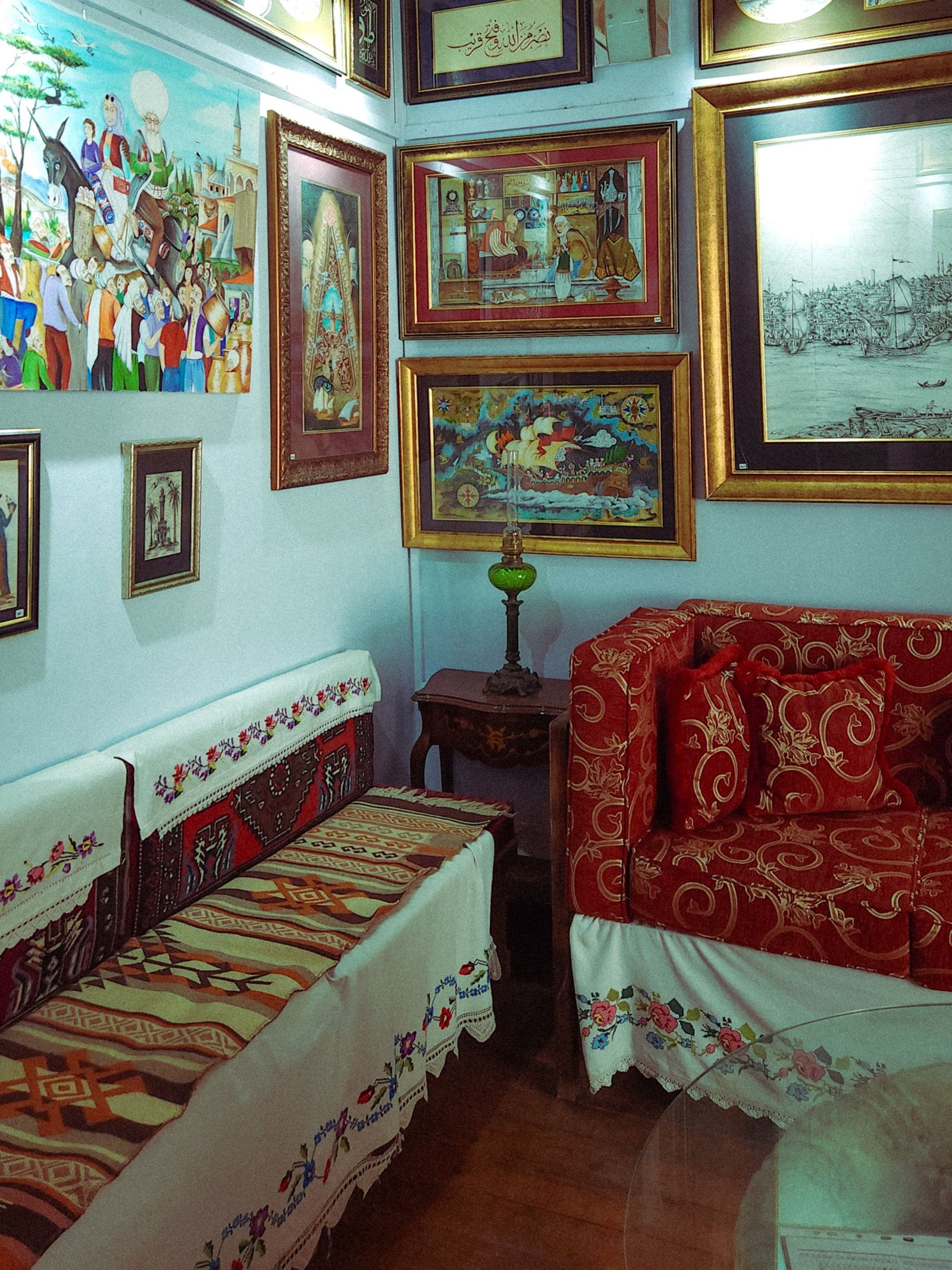
You do not need to finish all seven layers in one weekend. In fact, living with each layer for a few days often improves the next decision. A room decorated slowly, layer by layer, usually looks more settled than a room decorated in one shopping trip.
Color Without Fear: One Simple Proportion
Color scares beginners because the choices feel endless. One simple proportion tames them. Think of a room’s color as roughly 60 percent dominant, 30 percent secondary, and 10 percent accent. This 60-30-10 idea is a guideline used widely in decorating advice, not a measured rule, so treat it as a starting point.
The dominant color covers walls, large furniture, and rugs. Keep it calm and easy to live with — a soft neutral, a gentle warm white, or a muted tone you will not tire of. The secondary color appears in curtains, bedding, or a large chair, and it supports the dominant color without competing. The accent color is the fun part: cushions, art, a throw, or a vase in a bolder shade. Because accents are small and cheap to change, they are the safest place to be brave.
Test colors in your own light before committing. Paint a large swatch on the wall and watch it in morning, afternoon, and evening light. A color that looks perfect in a store can turn gray or yellow at home, and a swatch costs far less than a repaint.
Light in Three Layers
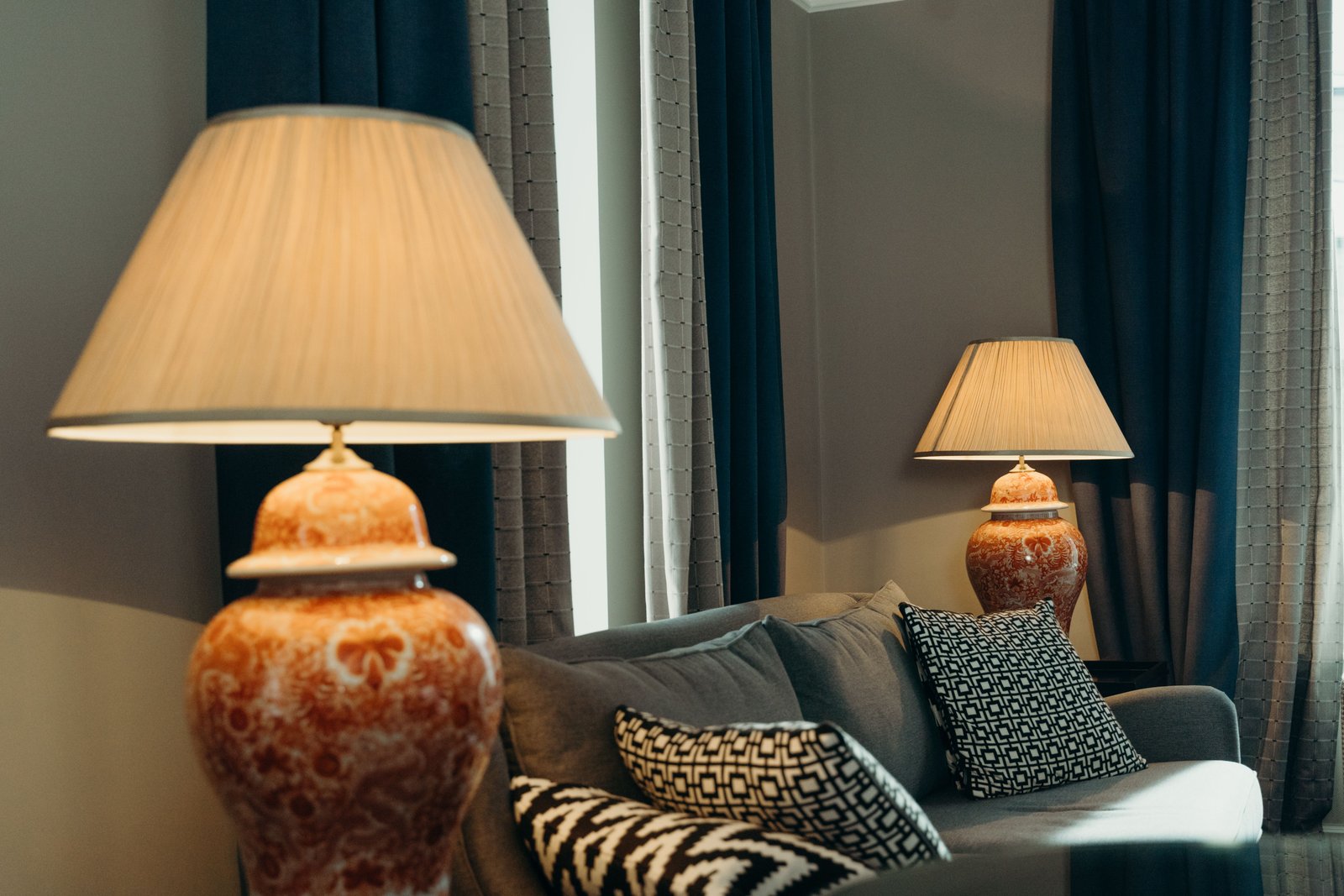
One ceiling light makes a room feel flat, because it lights everything the same way and leaves corners dark. Most pleasant rooms use three kinds of light together:
- Ambient light is the general light for the whole room: ceiling lights, or a bright floor lamp that washes the space.
- Task light is focused light for doing things: a reading lamp beside a chair, a desk lamp, or under-cabinet lights in a kitchen.
- Accent light highlights something worth looking at: a picture light over art, a small lamp on a shelf, or a candle’s glow on a dining table.
Start with ambient light so the room is usable, add task light where people sit and work, and finish with accent light for warmth. Lamps with warm-white bulbs usually feel more relaxing in living rooms and bedrooms, while slightly cooler, brighter light suits a workspace or kitchen. Dimmer switches, where your home allows them, are one of the cheapest ways to make one room serve both lively evenings and quiet nights.
Textiles, Walls, and the Personal Finish
Textiles are the fastest way to change how a room feels. A rug grounds a seating area, curtains soften a window and add color at eye level, and cushions and throws add comfort you can actually feel. Mix textures — smooth with rough, soft with firm — rather than matching everything exactly. A room with only smooth surfaces can feel cold, while one texture repeated everywhere can feel flat.
On walls, one larger piece of art usually beats many small pieces scattered around. Hang art so its center sits near eye level when you are standing, or just above the furniture it belongs to. Mirrors deserve special mention: placed opposite or near a window, a mirror bounces daylight deeper into the room and can make a small space feel more open. Just make sure it reflects something pleasant, not a cluttered corner.
Personal details finish the room, but they work best in small numbers. A few books you love, one or two photos that matter, and a plant or two will say more about you than a shelf crowded with objects. Decorator Hilary Prall’s home decorating tricks make the same point from a practitioner’s side: remove what does not belong, add something living, layer the lights, and give cushions and throws a proper home, such as a basket, when they are not in use.
A One-Room Walkthrough: Decorating a Tired Bedroom
Here is how the layers work on one labeled example room: a bedroom that feels dull — beige walls, a bed, a dresser, one ceiling light, and a chair that holds laundry instead of people.
Feeling first. The owner picks “cozy.” That one word rules out stark white bedding and a bright, busy rug, and points toward warm tones and soft layers.
Layer 1, clear. The chair is emptied, the top of the dresser is cleared to three items, and a box of things that belong elsewhere leaves the room. The room already looks larger.
Layer 2, large pieces. The bed stays, but it moves so the headboard sits on the longest clear wall, and the chair moves beside the window as a real reading spot with a small table.
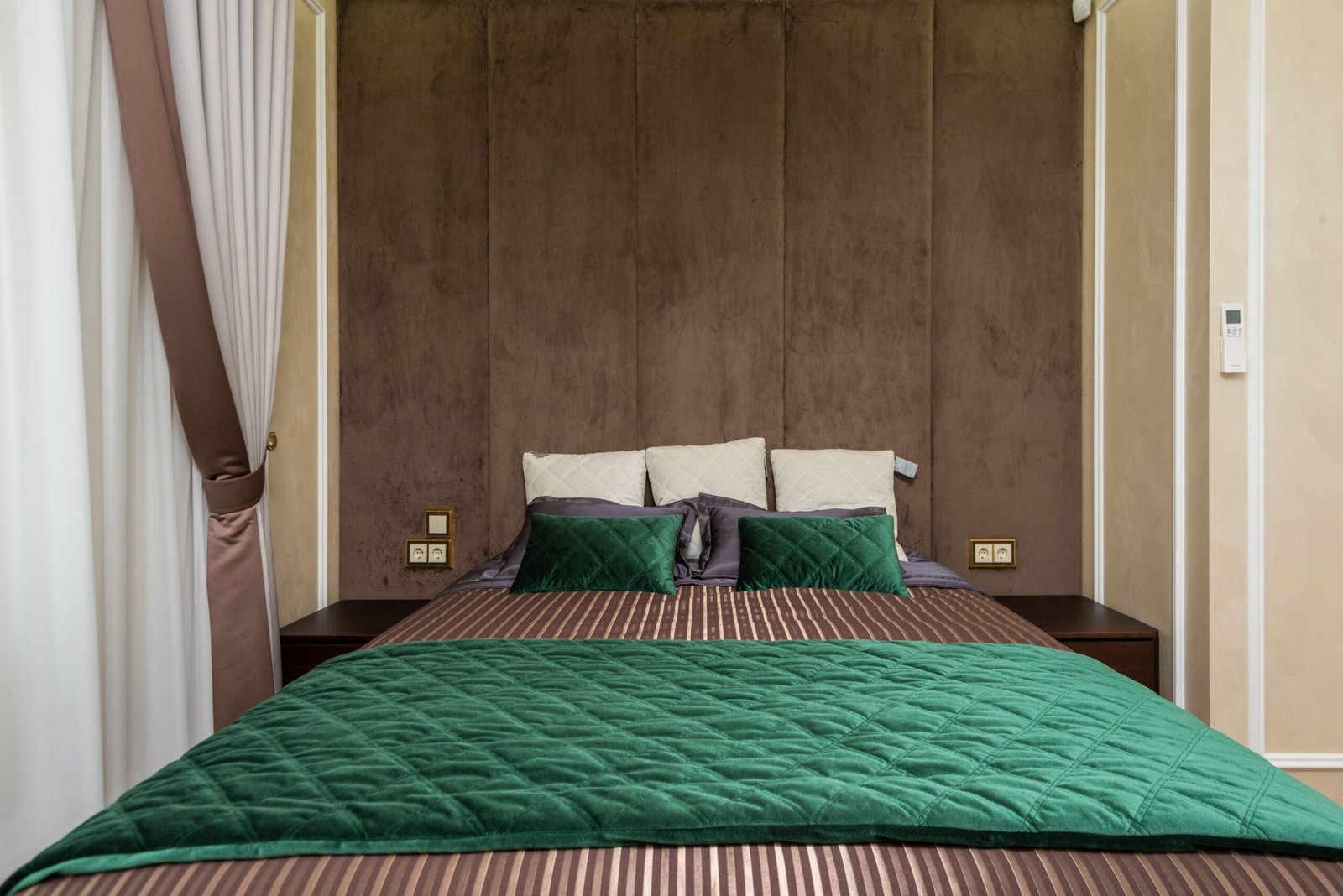
Layer 3, color. Walls stay warm white (the dominant color). Bedding becomes a warm sage green (the secondary color). Two cushions and a throw in a muted rust shade supply the accent.
Layer 4, light. A bedside lamp on each side replaces the single ceiling light for evenings, and a small reading lamp joins the chair. The ceiling light stays for cleaning and mornings.
Layer 5, textiles. A soft rug beside the bed, linen-look curtains, and the new bedding change the room’s temperature more than any single purchase so far.
Layer 6, walls. One large framed print hangs above the dresser, and a mirror goes on the wall opposite the window to pull daylight in.
Layer 7, personal. A plant on the dresser, two favorite books on the bedside table, and one framed photo complete the room. Nothing else is added, and that restraint is part of why the room now feels finished.
Notice what was not bought: no new bed, no new dresser, no repaint. The transformation came from order, color, light, and textiles — the layers that cost least and change most.
Decorating Well Without Buying Much
A small budget is not a barrier to a better-looking home. It is a reason to decorate in the right order and to use what you already own first.
Start by shopping your own home. Move a lamp from a room that has two to a room that has none. Swap cushions between rooms for a fresh combination. Move art to a wall where it gets noticed. Rearrange books by color or size for a calmer shelf. These moves cost nothing and often reveal that you already own the missing piece.
When you do buy, buy the anchor first — the largest item the room needs, such as a rug or a sofa — and let smaller items follow it. One good rug that fits the seating area does more for a room than five small decorations. And keep a simple rule for new decor: one item in, one item out. Without it, even a well-decorated room slowly fills up again.
Renters can use the same ideas with removable tools: adhesive hooks, leaning art, freestanding lamps, rugs, and textiles that travel to the next home. Nothing in this guide requires drilling, painting, or changing the structure of a room.
Frequently Asked Questions
Where do I start decorating a house?
Start with the room you use most, and start by clearing it. Then choose a feeling for that room, settle its large pieces, and work through the layers in order. One finished room teaches you more than five half-started rooms.
How do I choose a decorating style?
Do not start with a label. Collect pictures of rooms you like, find the pattern in them, and let that pattern be your direction. A mood board you can see beats a style name you have to look up.
How do I pick colors for a room?
Use the 60-30-10 proportion as a starting point: a calm dominant color for walls and large pieces, a supporting secondary color, and a small, bold accent you can change cheaply. Always test paint and fabric in your own room’s light first.
How can I decorate on a small budget?
Clear and rearrange first, shop your own home second, and buy anchors before accessories. Textiles, lamps, and paint give the biggest visible change for the least money, and one item in, one item out keeps clutter from returning.
Should every room in a house match?
No. Rooms can share a feeling or a color thread without matching exactly. A consistent dominant neutral across rooms, with different accents in each, keeps a home feeling connected while letting each room have its own character.
How many accessories are too many?
When surfaces look crowded and your favorite pieces stop standing out, you have too many. Remove items until each remaining piece has breathing room, then live with the edit for a week before adding anything back.
Your First Three Moves This Weekend
First, pick one room and one feeling sentence for it. Second, clear that room of everything that does not belong there. Third, move one lamp and one piece of art to a better spot, and see how the room changes before you spend anything. Those three moves cost nothing, and they will tell you more about your taste than another hour of scrolling photos.
For more ideas across every room, explore the Luxury Homes Idea homepage, and to understand the approach behind these guides, visit the About Luxury Homes Idea page.
Disclaimer This article offers general design information, not advice for your specific home. Rooms, light, budgets, and household needs vary, so test colors and arrangements in your own space before committing. For structural or electrical work, consult a qualified professional.