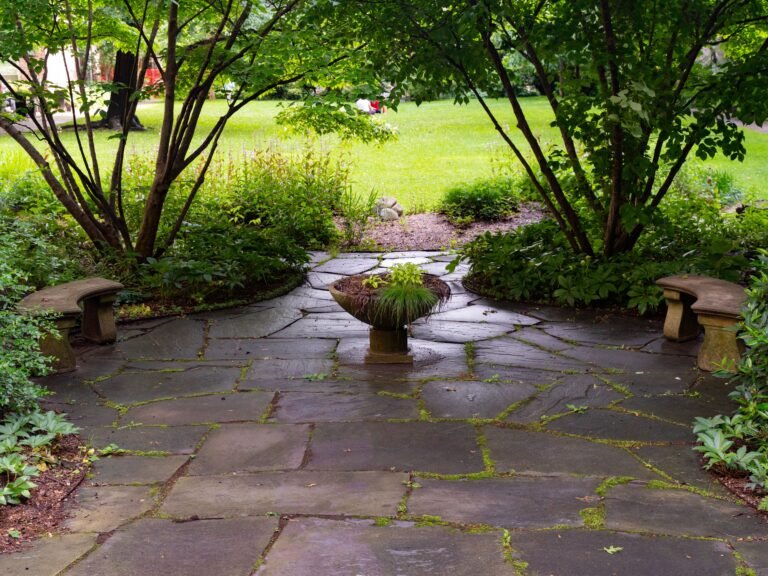
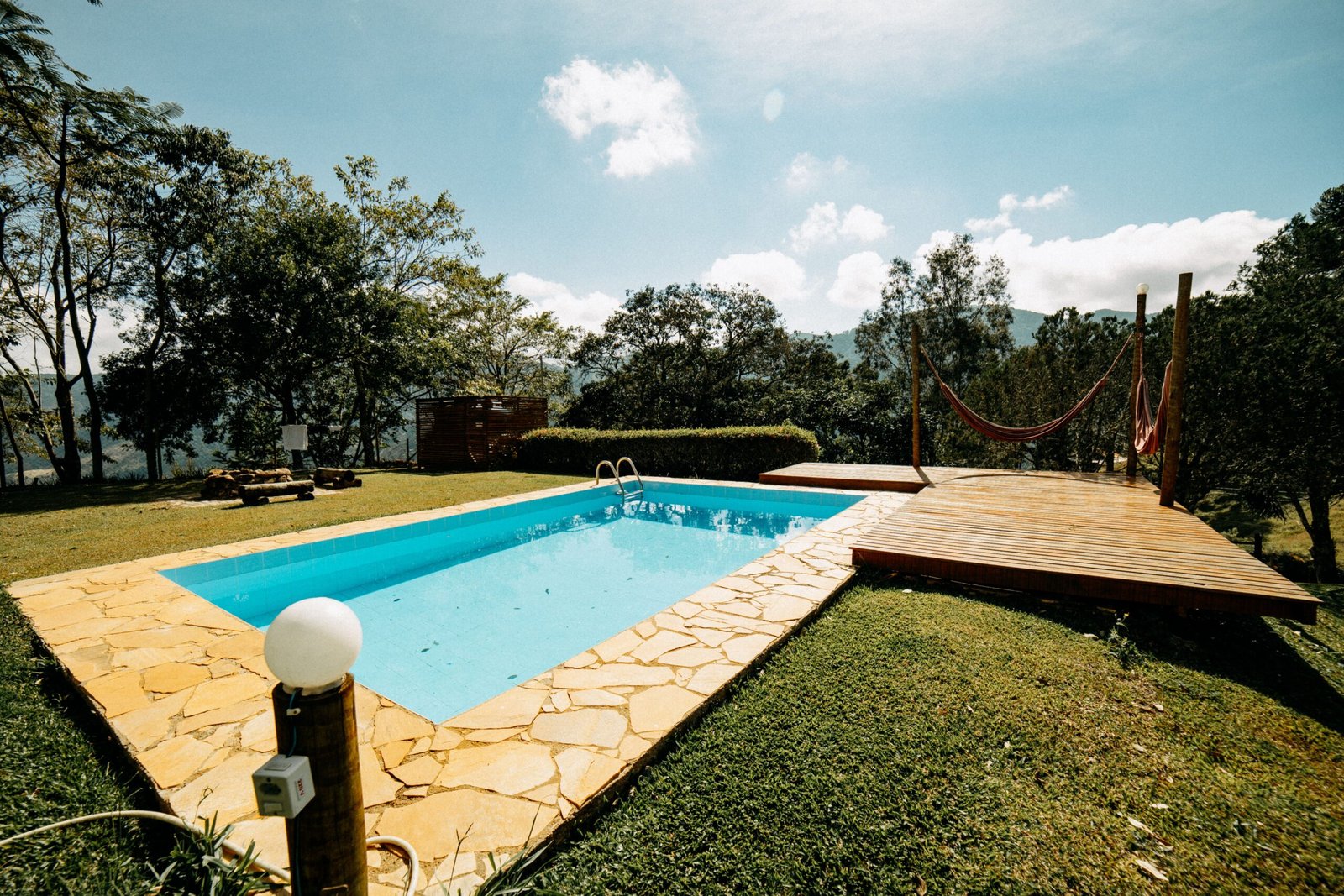
Backyard Pool Ideas: How to Choose a Pool That Fits Your Yard, Your Life, and Your Budget
A backyard pool works when it fits three things at once: the yard you actually have, the way your household will really use it, and the safety and upkeep you are willing to handle. The prettiest pool shape means little if it leaves no room for a safe fence, a clear walking path, and the equipment that keeps the water clean.
Before any design idea below, read the safety section first. It changes which ideas are realistic for your home, especially if children visit or live nearby.
Pool Safety First: Read This Before You Pick a Design
Pools are a serious safety responsibility, and drowning can happen quickly and silently. The U.S. Consumer Product Safety Commission (CPSC) recommends layers of protection, including barriers such as a fence with self-closing, self-latching gates completely surrounding pools to prevent unsupervised access by young children, as explained in CPSC pool safety guidance. For small-yard type ideas, see also small backyard pool designs. CPSC guidance also points to keeping rescue equipment and a phone near the pool, and learning CPR.
In practical terms, plan for a fence that fully separates the pool from the house and yard, so a child who walks out a back door meets a locked gate, not open water. Gates should close and latch on their own, latches should sit out of a small child’s reach, and climbable objects such as chairs, planters, and storage boxes should stay away from the fence. Door alarms on doors leading to the pool area, a power safety cover when the pool is not in use, and removing toys from the pool area after swimming all add further layers. No single device replaces supervision or a proper barrier.
Hire a licensed professional for pool construction, electrical work, gas lines, drainage changes, and structural work. Do not attempt do-it-yourself wiring for pool lights or pumps, gas connections for heaters, or structural changes to support a pool. Check local permit rules, setback rules, and barrier rules before you commit to a size or shape, because local rules may require a specific fence height, gate type, or distance from property lines and structures. A design that looks good in a photo may not be legal or safe on your lot.
Also plan for who will maintain the water, clean the filter, and handle repairs. A pool that is not maintained becomes a safety and health problem, not just an eyesore. If you are unsure about ongoing care, a smaller pool, a plunge pool, or a pool-and-spa combination may be a wiser choice than a large pool you cannot keep up.
For more outdoor planning ideas, explore the Outdoor & Garden ideas on Luxury Homes Idea, and read the site’s approach to practical, comfortable design on the About Luxury Homes Idea page.
The Use-First Test: What Will This Pool Actually Do?
Most pool regret comes from choosing a look before a use. Try this test before you look at shapes.
Cooling off and relaxing. If your household mainly wants a cool dip, a place to float, and a spot to sit in the water with a drink, a plunge pool or cocktail pool fits. These are smaller, deeper, and built for lounging rather than laps. Built-in benches and a ledge for drinks matter more than length.
Exercise. If someone swims laps, length matters more than width. A narrow lap pool along a fence line gives a straight swim lane while leaving room for planting or a patio. If the pool is shorter than a comfortable lap length, a swim-jet system can add resistance, but it adds cost and maintenance, so weigh it honestly.
Family play. If children and groups will use the pool, you need a shallow area, a clear view of the whole water surface from seating, non-slip walking surfaces, and room around the pool for safe entry and exit. A freeform shape can soften a family yard, but a clear, open sightline matters more than curves.
Entertaining. If the pool anchors gatherings, think about seating in and beside the water, shade, a nearby place for food and drinks, and a path that keeps wet feet off planting beds. A swim-up ledge or a raised seating edge can help, but only if it does not block supervision of the water.
Quiet retreat. If the pool is mainly a visual and sensory feature, a still, reflective pool, a narrow rill, or a small plunge pool with planting around it may suit better than a large swim pool. The water becomes a garden feature you look at and dip into, not a sports facility.
Write down your top two uses. If they conflict — for example, laps and toddler play — you may need zones: a lap lane plus a shallow ledge, or a smaller pool plus a separate splash area. A pool that tries to do everything often does nothing well.
Pool Types Compared: Size, Feel, and Trade-Offs
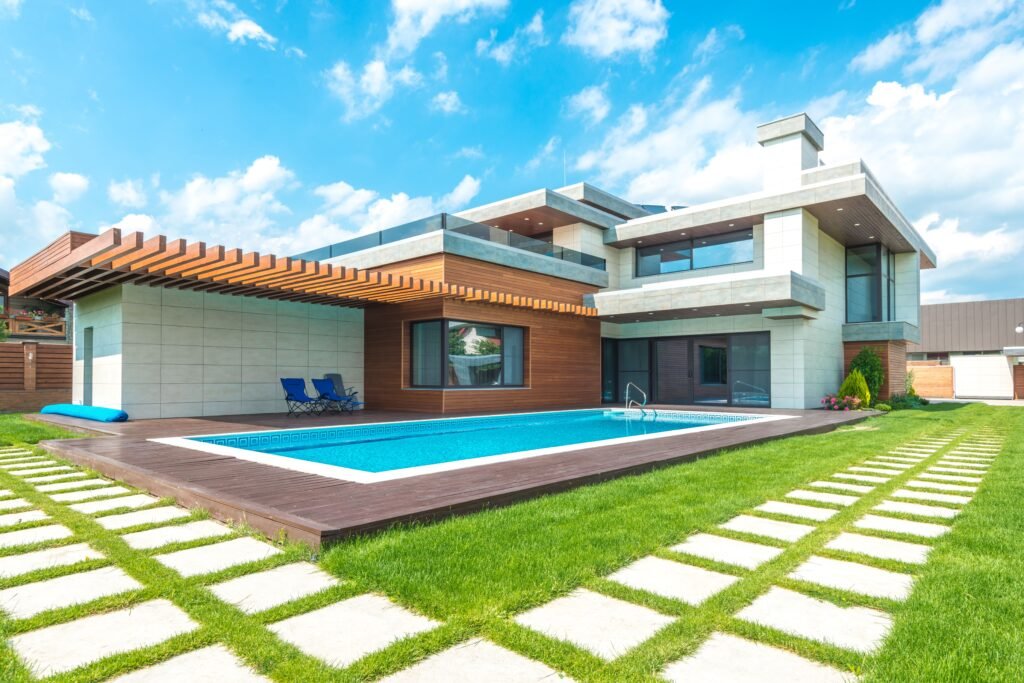
The table below compares common backyard pool types in general terms. Sizes and costs vary widely by region, materials, site access, and local rules, so use it to narrow choices, then get written quotes for your own lot. No figure here is a quote.
| Pool type | How it feels | Suits | Watch out for |
|---|---|---|---|
| Plunge pool | Small, deep, calm; built for cooling off | Small yards, courtyards, relaxation | Too small for laps or large groups |
| Lap pool | Long, narrow, straight | Exercise, narrow side yards | Needs length; can feel like a corridor without planting |
| Cocktail pool | Small, social, bench-lined | Entertaining, small groups | Not for serious swimming |
| Freeform pool | Curved, natural, garden-like | Family yards, sloped lots | Harder to cover; sightlines need care |
| Rectangular pool | Clean, classic, easy to cover | Modern homes, laps, games | Can feel formal without soft planting |
| Pool-and-spa combo | One structure, two temperatures/uses | Year-round use, small yards | More equipment, more upkeep |
| Above-ground pool | Faster to install, lower entry cost | Renters, trial years, tight budgets | Needs safe, lockable steps; fencing still applies |
| Natural swimming pond | Planted, chemical-light look | Eco-focused owners, large lots | Needs specialist design, planting zones, and upkeep |
A note on above-ground pools: a lower purchase cost does not remove safety duties. Steps and ladders should be secured, locked, or removed when the pool is not in use, and fencing and barrier rules still apply. Check your local rules before assuming an above-ground pool is exempt.
Shapes and Layouts That Solve Small-Yard Problems
Small yards reward pools that use edges and corners well.
Courtyard plunge pool. A square or rectangular pool in the center of a courtyard, with benches built into its edges, turns seating into part of the pool structure. That saves deck space and keeps the pool social.
Corner-fit pool. A triangular or L-shaped pool tucks into a corner that a standard rectangle would waste. The leftover strip beside it becomes a patio or a planting bed, so the yard feels planned rather than squeezed.
Narrow lap pool along a fence. Running the pool parallel to the longest fence gives the longest swim line and leaves the rest of the yard open. Pair it with a slim planting strip or a vertical garden on the fence for privacy without taking floor space.
Pool beside a deck, not surrounded by it. You do not need deck on all four sides. A deck on one or two sides, with planting or gravel on the others, can cut cost and keep the pool from dominating the yard. Just keep walking surfaces non-slip and wide enough for safe, dry-footed movement.
Raised pool edge as seating. A pool wall raised slightly above deck level can double as a seat and a visual edge. It also helps keep soil, mulch, and leaves out of the water. Make sure the edge height is comfortable to sit on and does not create a tripping or climbing hazard near a fence.
In every layout, leave room for the unglamorous parts: the fence line, the gate swing, the pump and filter, a hose route, and a place to store chemicals safely away from children and pets. A plan that has no room for equipment is not finished.
Features Worth Considering, and Features to Question
Built-in benches and ledges. These add seating without taking deck space and give weaker swimmers a resting spot. They suit plunge and cocktail pools especially well.
Tanning ledge. A shallow shelf lets you sit in a few inches of water with a chair or a lounger. It suits relaxation pools, but it also takes water area, so it works best in a pool large enough to still swim in.
Water features. A small waterfall, sheer descent, or bubbler adds sound and movement and can mask street noise. Keep features simple in small pools, where too many jets and falls can feel busy and add maintenance.
Lighting. Underwater LED lighting extends evening use and makes the water visible at night. Pool lighting is electrical work near water: hire a licensed professional, and never wire pool lights or pumps yourself.
Heating. A heater stretches the swim season, especially in cooler climates. It adds energy cost and equipment upkeep, so match it to how often you will actually swim in shoulder seasons, not just to the idea of a longer season.
Salt systems and automation. These can reduce day-to-day chemical handling and automate cleaning and lighting, but they do not remove the need for water testing, filter care, and professional servicing. Treat automation as help, not as a hands-off promise.
Infinity edge. An infinity edge looks dramatic where a yard has a view, and it can make a small pool feel larger. It needs a catch basin, extra water management, and specialist construction, so it suits view lots with a professional budget, not every flat backyard.
Swim-up bar. A bar ledge inside the pool suits entertaining pools, but it adds a wet, slippery work zone and needs a nearby dry area for food and glassware. Keep glass away from the pool deck for safety.
Question any feature that blocks your view of the water, creates a hidden corner, or adds a climbable structure beside the fence. Beauty should never weaken the barrier or the sightline.
Materials, Decks, and the Ground Around the Pool
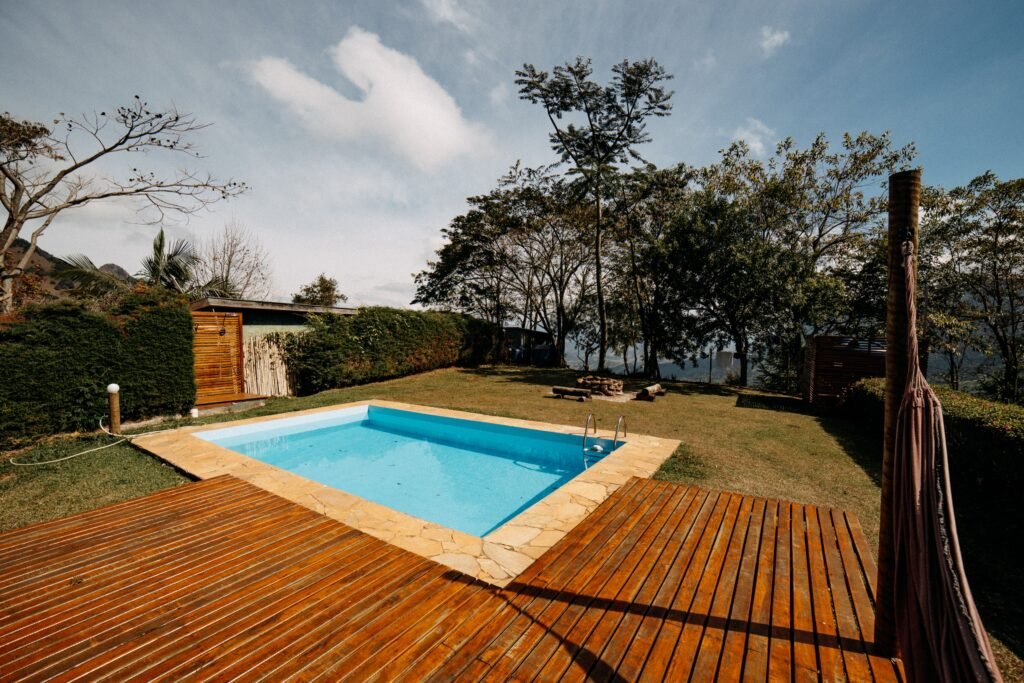
Pool coping and deck materials affect safety, heat, and upkeep. Pale stone and light pavers stay cooler underfoot than dark surfaces in strong sun. Textured, non-slip finishes matter on wet decks, where smooth stone can become dangerous. Porous or permeable paving can help drainage, but it needs the right base and joint care.
Keep the deck simple in small yards. One main material, plus planting at the edges, usually looks calmer than a patchwork of stone, tile, wood, and gravel. Leave a clear, dry path from the house to the pool gate, and a separate, mud-free route for equipment access.
Drainage deserves the same attention as the pool itself. Water from the deck should drain away from the house and the pool structure, not pool on walking surfaces or run into planting beds. If your yard slopes, a licensed professional should assess grading and drainage before construction, since changing grades can affect neighbors and foundations.
A Decision Comparison: Three Households, Three Different Pools
This comparison is an original example to show how the same backyard size can lead to different right answers. It is not a recommendation for any real household.
Household A: a couple in a small city yard who want evening dips. Best fit: a courtyard plunge pool with built-in benches, underwater lighting by a licensed electrician, and a fence that fully separates the pool from the house. Why: small footprint, low water volume, easy supervision, and the pool becomes a quiet evening feature rather than a maintenance burden.
Household B: a family with school-age children who swim for fun and fitness. Best fit: a rectangular or freeform family pool with a shallow end, a clear sightline from shaded seating, non-slip decking, and a four-sided fence with a self-latching gate. Why: room to play, a visible water surface, and safety layers that do not depend on remembering to close a gate.
Household C: a homeowner on a narrow lot who swims laps before work. Best fit: a narrow lap pool along the fence line, with a slim planting strip for privacy and a heater matched to actual morning use. Why: length is used well, the rest of the yard stays open, and the pool serves one clear purpose instead of trying to serve all of them.
Notice the pattern: each household picked a use first, then a type, then features. None picked a shape from a photo and hoped the use would follow.
Planning Steps Before You Sign Anything
- Confirm local rules: permits, setbacks, fence and gate requirements, and electrical and drainage rules.
- Measure the yard and mark the fence line, gate swing, equipment pad, and walking paths before choosing a pool size.
- Get a licensed pool professional to assess soil, slope, utilities, and access. Heavy equipment needs a route in, and a tight gate can change what is possible.
- Ask for itemized quotes that separate the pool shell, coping and deck, fence and gates, electrical, heating, lighting, and ongoing servicing.
- Plan water care: who tests water, cleans filters, and handles winter care, and what that costs in time or service fees.
- Walk the finished plan as a supervisor: can you see the whole water surface from seating? Is the gate truly self-closing? Is there a phone and rescue equipment nearby?
If any step reveals a barrier, setback, or drainage problem, change the pool plan, not the safety rule. A smaller pool with a proper fence beats a larger pool that squeezes safety out.
Frequently Asked Questions
What size pool suits a small backyard?
A plunge, cocktail, or narrow lap pool usually suits a small yard better than a full-size family pool, because it leaves room for fencing, walking paths, and equipment. Measure the fence line and paths first, then size the water to what remains.
Do above-ground pools need a fence?
In most places, yes, barrier rules still apply, and steps or ladders must be secured, locked, or removed when the pool is not in use. Check your local rules, since requirements vary and exemptions are not safe to assume.
Is a saltwater pool easier to maintain?
A salt system can reduce manual chlorine handling, but it still needs water testing, filter cleaning, and equipment care. It is easier in one task, not maintenance-free overall.
How do I keep a small pool from looking cramped?
Use one deck material, keep planting at the edges rather than around the whole pool, choose a simple shape, and let one feature — a bench, a water fall, or a planting strip — carry the design instead of adding many features.
Should I add a pool for home value?
A pool can suit a household that will use and maintain it, but there is no guaranteed value increase, and a poorly maintained or non-compliant pool can hurt a sale. Decide on use, safety, and upkeep first, and treat any value effect as uncertain.
A Pool That Earns Its Place
A good backyard pool is not the largest or the most dramatic one you can fit. It is the one whose fence, gate, sightlines, and upkeep you can honestly maintain, in a size and shape that serves the way your household actually swims, rests, and gathers. Start with safety and use, let those choices narrow the type and layout, and hire licensed professionals for construction, electrical, and structural work. That order gives you a pool you can enjoy without dreading what it demands.
Disclaimer
This article offers general home and garden information, not professional pool, electrical, construction, or legal advice. Pool rules, soils, drainage, and safety requirements vary by location, so check local permits and hire a licensed professional for construction, electrical, gas, drainage, and structural work.