

Modern Beach House: What to Know Before You Build or Buy on the Coast
A modern beach house is a clean-lined, light-filled coastal home — simple geometric forms, large glass, and open living spaces that connect indoors with the outdoors. It can be a weekend retreat, a family holiday home, or a year-round residence by the sea.
That is why this guide uses a Coast-Ready sequence: water first, then wind, then salt, then sun, then upkeep. Follow that order, and a modern beach house stays calm, bright, and easy to care for. Start with the lot, not the floor plan.
A Modern Beach House Is a Modern House Plus Coastal Rules
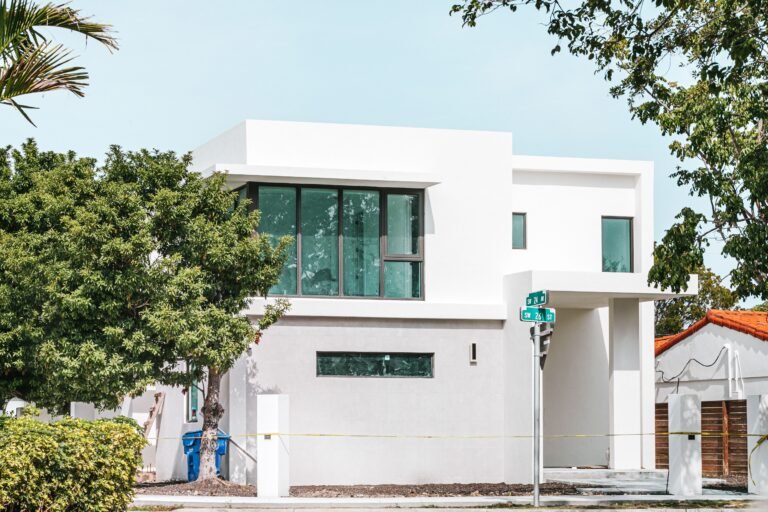
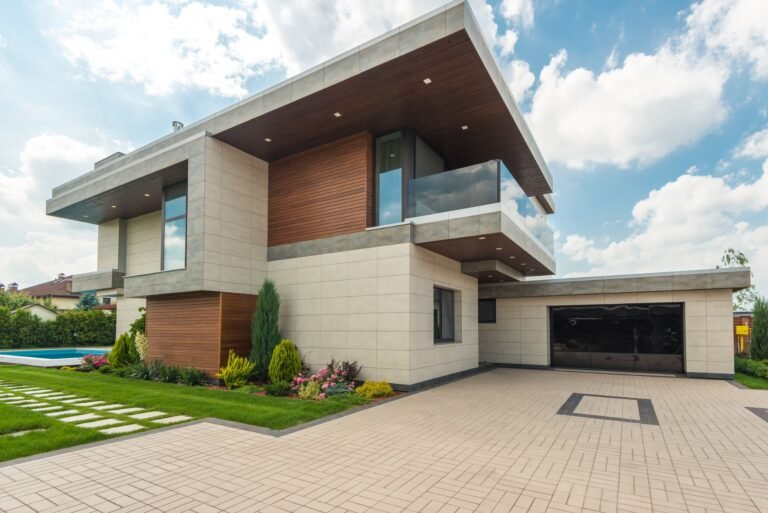
From the street, a modern beach house looks like its inland cousin: white or pale walls, warm wood accents, big glass, and flat or low-pitched roofs. The differences are in decisions a passerby cannot see: elevation, wind-rated glass and connections, corrosion-resistant materials, and a plan for salt, humidity, and sun.
Those differences are not style choices. They are answers to a place where storms push water and wind, salt air never stops, and sun and humidity work on every surface. Ignore them, and a beautiful house turns into a maintenance problem.
One built example shows this well. At the Beach Haven Residence, described in a project feature on modern coastal architecture, the raised living level, tall open pilings, and deep overhangs are part of the design, not an afterthought. That house also sits in the Architecture & Exterior category of this site — a useful place to compare more coastal projects.
Start With Water: Elevation and Flood Zones

Before you fall in love with a floor plan, check the water rules for that specific lot. Hire a licensed surveyor for an elevation certificate and a local professional for the flood zone, and confirm that the lot’s rules allow the floor heights you need. Flood maps, local codes, and insurance rules will shape the height of the lowest living floor before other design choices can follow.
What AE and VE mean in plain English
In the United States, the Federal Emergency Management Agency (FEMA) maps flood risk into zones. AE zones are high-risk flood areas with a defined base flood elevation. VE zones are high-risk coastal areas where wave action adds force to flood water. Both zones affect insurance and building requirements, and they require careful design.
In plain terms: AE means “water may reach here.” VE means “water and waves may reach here, with force.” Always confirm the exact zone and base flood elevation for your lot from the official map, because neighbouring lots can sit in different zones. For the official background, see the guide to FEMA flood zones and elevation.
Elevation as a design feature, not an afterthought
Elevation is often treated as a problem to hide. Coastal designers often do the opposite. A raised main floor on tall, open pilings can create a shaded, usable level below for parking, storage, and outdoor living. Wide, well-lit stairs and a simple lift can make that level part of daily life rather than a dark space below the house.
Also ask how the space below the raised floor is allowed to be used. In stricter zones, enclosed areas below the flood level are limited to parking, access, and storage, and must allow water to pass through. Plan the ground level as a real part of the design: durable surfaces, open airflow, and no finished living space where water may enter.
Papers to ask for
Before you buy land or approve a plan, ask for these: the FEMA flood map designation for the lot, an elevation certificate, local floodplain and building code requirements, and any coastal or dune rules that limit the building footprint. These documents shape the floor height, foundations, and materials, so collect them before design decisions are made. After the house is built, keep an updated elevation certificate with your insurance records.
A note of caution: local rules can change. If the maps or codes are being updated, plan extra time and ask your surveyor and builder how the change may affect the project. A small delay at the start is better than a redesign after construction begins.
Then Wind: Glass, Roof, and Connections
Wind is the second coastal voter. A modern beach house has a lot of glass and often a simple roofline, both of which need to be designed for gusts, salt-laden air, and flying debris. Ask your engineer or builder what wind speed and impact rating your site requires, and record the answer in writing.
Large glass should be specified for the wind and impact requirements of the location, not chosen from a catalogue by appearance. Inspect glazing, frames, and fasteners for impact ratings and drainage details. Deep roof overhangs, shutters, and shaded glass reduce heat while helping protect openings during storms.
Roof shape matters too. Simple, well-detailed roofs with strong connections to walls tend to perform better than complicated roofs with many junctions. Every joint needs to be tied down: hold the walls to the roof, tie the floors together, and fasten the structure to the foundations. In storm-prone areas, that continuous chain matters far more than any decorative feature.
Finally, think about what happens during a storm you cannot control. Where do shutters or panels store? Who puts them up? Can windows still be cleaned and repaired without fragile equipment? A good design answers these practical questions before you need them under pressure.
Salt Air Chooses Your Materials

Salt air is patient. It does not break a house in a day. It corrodes, stains, and weakens the wrong materials over years of quiet exposure. The table below shows the usual coastal directions for materials that are used to help a modern beach house last.
| Material or part | Coastal direction | Why it helps |
|---|---|---|
| Siding | Fiber cement or other coastal-rated siding | Resists humidity, salt air, and rot better than softer boards |
| Roofing | Metal roofing or other wind- and salt-rated roofing | Sheds water, resists corrosion when specified for coastal use |
| Decking | Composite decking | Resists rot and warping in humidity better than untreated wood |
| Hardware, hinges, fasteners | Stainless steel or marine-grade hardware | Ordinary steel rusts fast in salt air, so use marine-grade fixings where possible |
| Wood accents | Naturally durable or properly treated wood, in sheltered spots | Warmth without exposing wood to full salt and sun |
| Outdoor fabrics and furniture | Solution-dyed, quick-dry, rust-proof frames | Survives humidity and salt spray far better than indoor fabrics |
Hardware: the small part that fails first
Pay special attention to the smallest parts: hinges, screws, light fixtures, railings, and gate latches. These are often the first to show rust and the first repair to be neglected as a result. Ask for stainless steel or marine-grade parts where they touch salt air, and keep a simple schedule for washing and checking them. A tiny saving on hardware can lead to many small replacements later.
Wood still belongs in a modern beach house. It brings warmth to pale walls and cool glass. Use it where it is sheltered, such as ceilings, interior panels, and covered deck edges, and choose species or treatments that are shown to resist coastal moisture. Exposed wood in full sun and salt spray needs a plan for oiling, sealing, or replacement.
Humidity, Breeze, and Indoor Comfort
A beach house should feel fresh, not damp. That takes more than air conditioning.
Design for cross-breezes where the site allows: openings on opposite sides of a room, so air can move through without the need for fans. A ceiling fan can extend the comfortable hours before cooling is needed. Shaded glass, insulated roofs, and light colours make the whole house cooler as well.
Watch for humidity trouble spots: under sinks, behind large furniture against exterior walls, in closets, and around shower edges. Good ventilation, proper drainage, and a dehumidifier in damp seasons help keep the indoor air fresh.
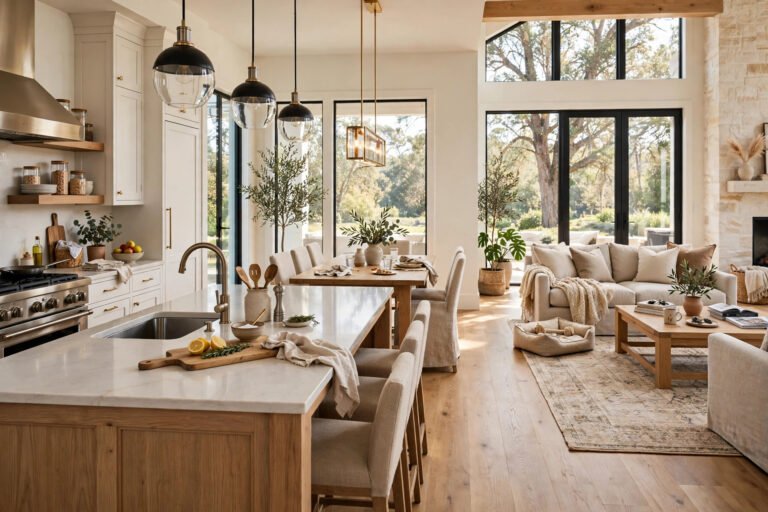
Light colors help indoors too. Pale walls, light wood, and sheer natural textures keep a coastal interior bright without the stark feeling of a white box. The idea is not to strip the house bare, but to let the calm palette and the view outside do the work.
Outdoor Rooms That Survive the Coast
Outdoor living is the reason many people choose a beach house, so design outdoor rooms to survive, not just to look good in photos. A shaded deck, a covered terrace, and a pool are useful only when they can handle salt, rain, and strong light.
Covered porches and lanais — screened or open covered terraces — give shade and rain protection, and they make the outdoor room useful almost all year. Use durable, easy-to-clean surfaces, and keep electrical points and lights under cover.
Choose outdoor furniture for the coast: rust-proof frames, quick-dry cushions, and fabrics that resist fading and salt stains. Store cushions under cover when storms arrive, and pick furniture that can be moved quickly or secured in place.
Think about the path from indoors to outdoors as well. Level thresholds, wide sliding doors, and a covered transition strip help the house feel like one space. At night, low-wattage lights along edges and steps keep those outdoor spaces safe.
Landscape, Drainage, and the Ground Around the House
Coastal ground moves, drains, and erodes differently from inland ground. Grade the land so water flows away from the house, not toward it. Use permeable paths and patios where possible, so rain can sink into the ground rather than pool beside the walls.
Choose plants that suit salt, wind, and sand for your specific area, and ask a local nursery or landscape designer for varieties that survive your site. Native coastal plants often survive better than showy imports because they are built for the local wind and the soil they grow in.
Keep sightlines and paths clear. A path from the house to the sand should be simple, well-drained, and easy to maintain. Gravel, decking, or a simple boardwalk is easier to care for in the long term than a sealed, decorative path that traps salt and water.
Cost and Insurance: Ask Early, Not After
A modern beach house can cost more to build, insure, and maintain than a similar inland house, for reasons that start with flood rules and continue through materials, labour, and insurance. Elevation, impact glass, marine-grade hardware, and regular washing all add cost, and flood and wind insurance vary by zone and elevation.
This guide gives no price figures, because costs vary widely by state, zone, elevation, construction type, and insurance provider. Ask early: get written quotes for building, flood insurance, wind insurance, and long-term maintenance before you commit to a lot or a design. If the total sounds too high, ask what could be lowered or phased, not just what can be cut.
The most expensive surprise is the one discovered late. A buyer who learns about flood-zone costs only after closing has lost the chance to negotiate or redesign. Ask about the insurance early, factor in a maintenance reserve, and keep modern, simple details where complexity adds cost without adding resilience.
A Seasonal Maintenance Calendar
This calendar is an original planning rhythm for coastal care, not a manufacturer’s schedule. Adjust it for your area and the condition of your house, and arrange professional checks when needed.
- Spring: Wash salt from siding, windows, hardware, and railings. Check roof, gutters, and drains. Inspect sealants and paint for cracks, and plan repairs before summer humidity.
- Summer: Watch humidity indoors. Keep ventilation and exhaust fans working. Rinse outdoor metal and furniture after storms, and keep plants watered where needed.
- Fall: Clear gutters and drains before storm season. Secure or store loose outdoor items. Inspect shutters, roof ties, and outdoor lights.
- Winter (or off-season, if you are away): If you leave the house empty, arrange regular checks. Keep indoor humidity controlled, pipes protected, and any stored items covered.
A calendar only helps if someone follows it. Put the four seasonal checks on your household calendar and keep a note of what was done each time, so problems can be tracked before they become costly.
Mistakes Coastal Buyers and Builders Make
- Approving a plan before checking the flood zone, elevation, and local code for that lot.
- Placing a finished living room below the allowed flood level.
- Choosing ordinary steel hardware, fixtures, or fasteners for a salt-air site.
- Copying a large glass wall onto the windward side without rated glass or shade.
- Planting or paving in a way that sends water toward the house.
- Clearing or building near dunes or shorelines without checking local rules.
- Discovering flood or wind insurance costs only after closing.
- Skipping seasonal salt washdowns until corrosion and staining set in.
For any decision involving elevation, structure, flood compliance, electrical systems, or storm protection, consult a local licensed professional. The right check at the right time is usually cheaper than the repair after the fact.
Frequently Asked Questions
Does a beach house have to be raised?
Not every coastal house must be raised, but many in mapped flood zones must have their lowest living floor above a defined height. The rule depends on the lot’s flood zone, its base flood elevation, and local code. Confirm the requirement for your lot with a licensed surveyor or your local building department before you decide on a floor plan.
What materials last well in salt air?
Fiber-cement siding, coastal-rated metal roofing, composite decking, stainless or marine-grade hardware, and durable, well-treated wood used in sheltered spots tend to last well. The key is specification, not appearance: ask for coastal-rated products and keep a steady washing and inspection routine.
Are impact windows required everywhere on the coast?
No. Requirements vary by location, wind zone, and local code. Some areas require impact-rated glass or shutters for openings, while others leave the choice to the owner. In exposed locations, impact-rated glass or shutters can also protect against debris and make the house quieter, so ask for your local requirement in writing.
What is a flood zone?
A flood zone is a mapped area showing estimated flood risk. High-risk zones, such as AE and VE, carry requirements for elevation, foundations, and insurance. Your lot’s zone can be confirmed from official US flood maps, an elevation certificate, or your own local building department.
How much maintenance does a beach house need?
More than a similar inland house, mainly because of salt, humidity, and storm exposure. Expect seasonal washing of salt from surfaces, checks of roofs, gutters, hardware, and sealants, and attention to humidity indoors. A simple routine, kept year after year, protects a coastal house far better than occasional big repairs.
Can a modern beach house feel warm, not stark?
Yes. Warm wood in sheltered spots, pale but warm whites, linen and rattan textures, soft lighting, and planting that frames the house all warm a modern coastal palette without adding clutter. Restraint, not coldness, is the point of the style.
A modern beach house earns its beauty when it respects the coast that surrounds it. Check water first, then wind, then salt, then sun, and let upkeep shape your material choices from the start. When those answers are settled, the clean lines, light, and outdoor rooms can do what they do best: make coastal living feel calm, bright, and easy. For the same contrast on a non-coastal home, see a white house with black trim, and for water in the garden, read pool design.
Disclaimer This article is general information, not advice for a specific lot or home. Flood zones, building codes, and insurance vary by location. For elevation, structure, flood compliance, or storm protection, consult licensed professionals and your local building department before building or buying.


One Comment