Spanish Style Homes: Warm Stucco, Tile Roofs, and Courtyard Living
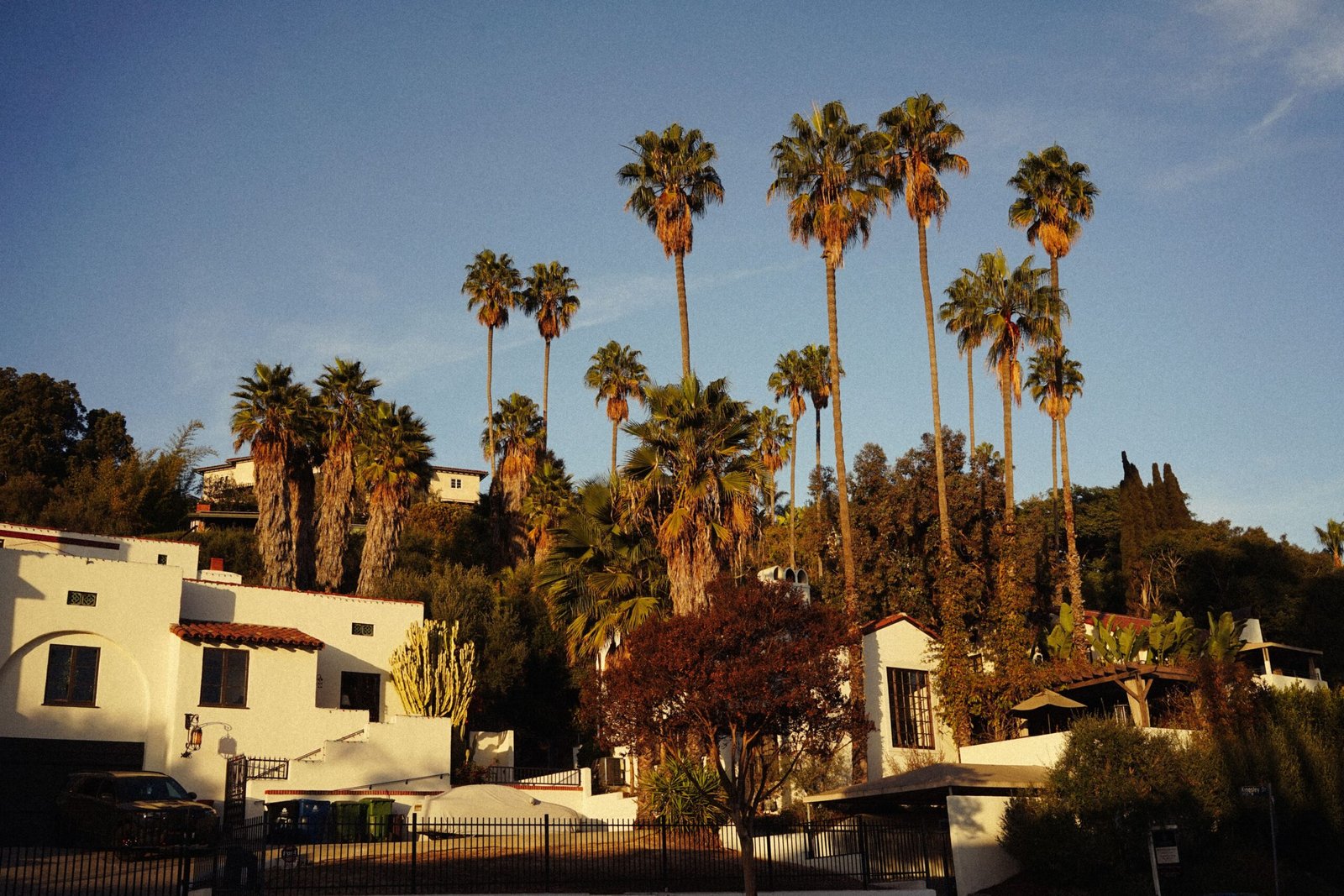
A Spanish style home is a home defined by stucco walls, a red clay tile roof, arched doorways and windows, wrought-iron details, and living organized around a courtyard or patio. Inside, expect textured plaster walls, dark wood beams, terracotta tile floors, and decorative tile accents. The style feels warm, earthy, and relaxed — grand without formality. It was built for warm, dry climates, and that origin still matters: a Spanish style home lives best where its courtyard can be used for much of the year and its stucco and tile can age gracefully.
What “Spanish Style” Actually Covers
“Spanish style” is an umbrella term, not a single style. It covers an American interpretation of Spanish and Mediterranean influences, filtered through early-20th-century taste. The most influential version, Spanish Colonial Revival, emerged in the 1910s through the 1930s, when architects in California and Florida looked to Spain, Mexico, and the wider Mediterranean for inspiration.
The deeper history runs longer. Spanish Colonial architecture developed during Spain’s colonization of the Americas from the 16th through the 19th centuries, shaped by Mediterranean, Moorish, and Indigenous building traditions: thick walls, clay tile roofs, small deeply set windows, and courtyards suited to hot climates. In the late 19th century, Mission Revival borrowed the look of California’s Spanish missions — smooth stucco, arched entries, and curved gables. Then the 1915 Panama-California Exposition in San Diego popularized Spanish Colonial Revival for a national audience, and the 1920s building boom spread it across California, the Southwest, Texas, and Florida.
That layered history explains why two “Spanish style” homes can look quite different. One may be a simple one-story stucco home with a low tile roof. Another may be a grand two-story Revival home with balconies, towers, and elaborate tilework. Both belong to the family. The question is not whether a home is “really” Spanish, but which branch of the family it belongs to — a question the subtype table below answers.
The broad markers of Spanish style homes — stucco, tile, arches, iron, and indoor-outdoor living — appear across those branches, which is why the style reads instantly even when its subtypes differ.
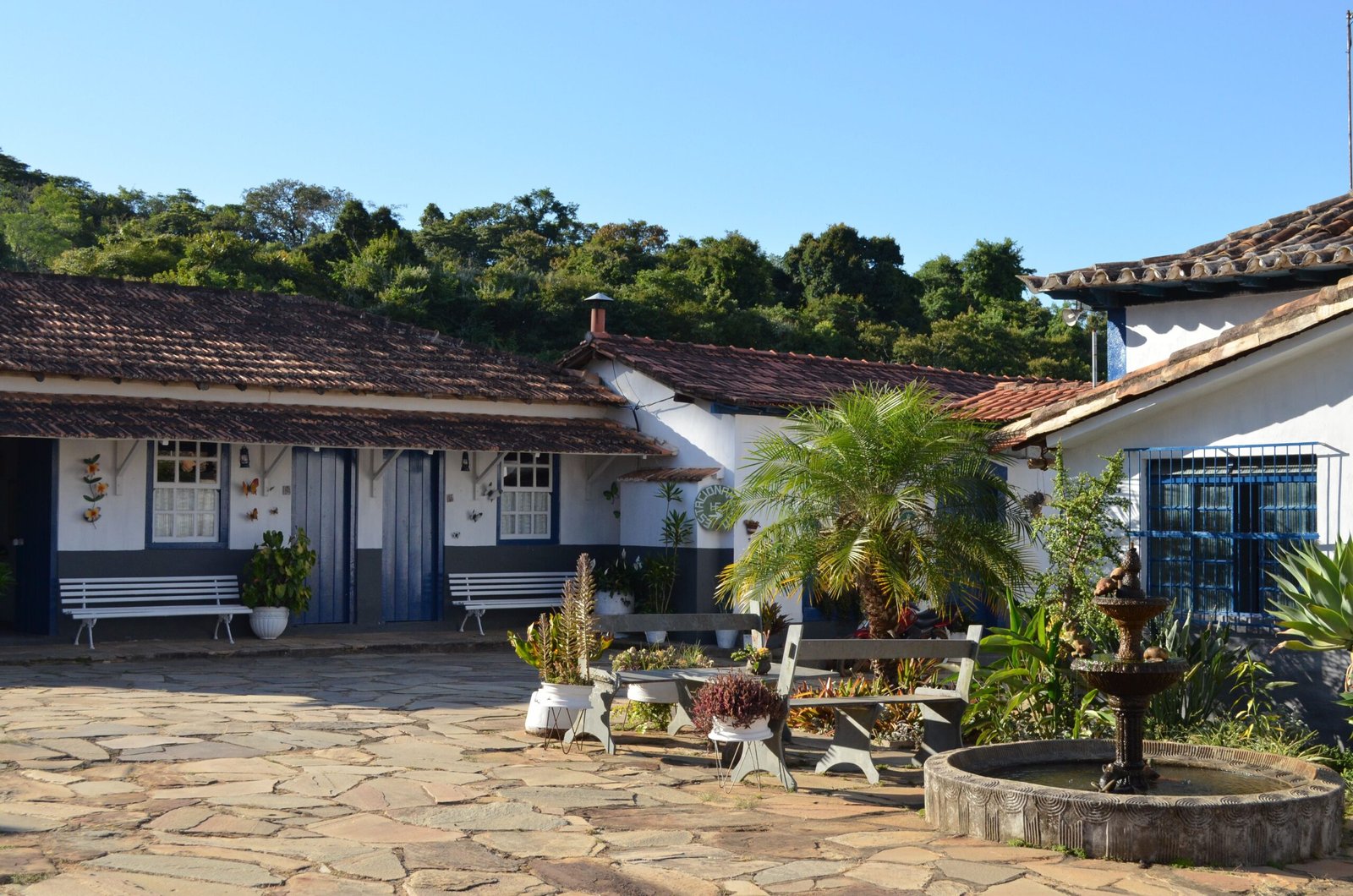
The Courtyard-First Plan Check
This is the original check for this article. In a Spanish style home, the courtyard or patio is not a bonus. It is a room. Test it before you test anything else.
- Can you reach the courtyard from the main living areas without passing through a bedroom or a utility room?
- Does the courtyard get sun and shade at different times of day, or is it baked at noon and dark by afternoon?
- Is it private — screened by walls, planting, or the house itself — or does it face the street and every neighbor?
- Where does rainwater go? A courtyard without drainage becomes a pond in a storm.
- What lives in the courtyard: a fountain, a grill, a dining table, a garden? If nothing has a place, the courtyard will stay empty, however beautiful it looks.
A home that passes all five gives you an outdoor room you will actually use. A home that fails privacy or drainage gives you a beautiful photograph and a space you avoid. In older homes, check whether the courtyard was enclosed later or altered: a former open court turned into a dark interior room loses the style’s best feature.
The same logic applies to smaller patios and loggias (covered outdoor galleries). A narrow patio that fits one chair is decoration. A patio that fits a table, four chairs, and a grill is living space. Measure for furniture, not for the listing photo.
Exterior Markers to Look For
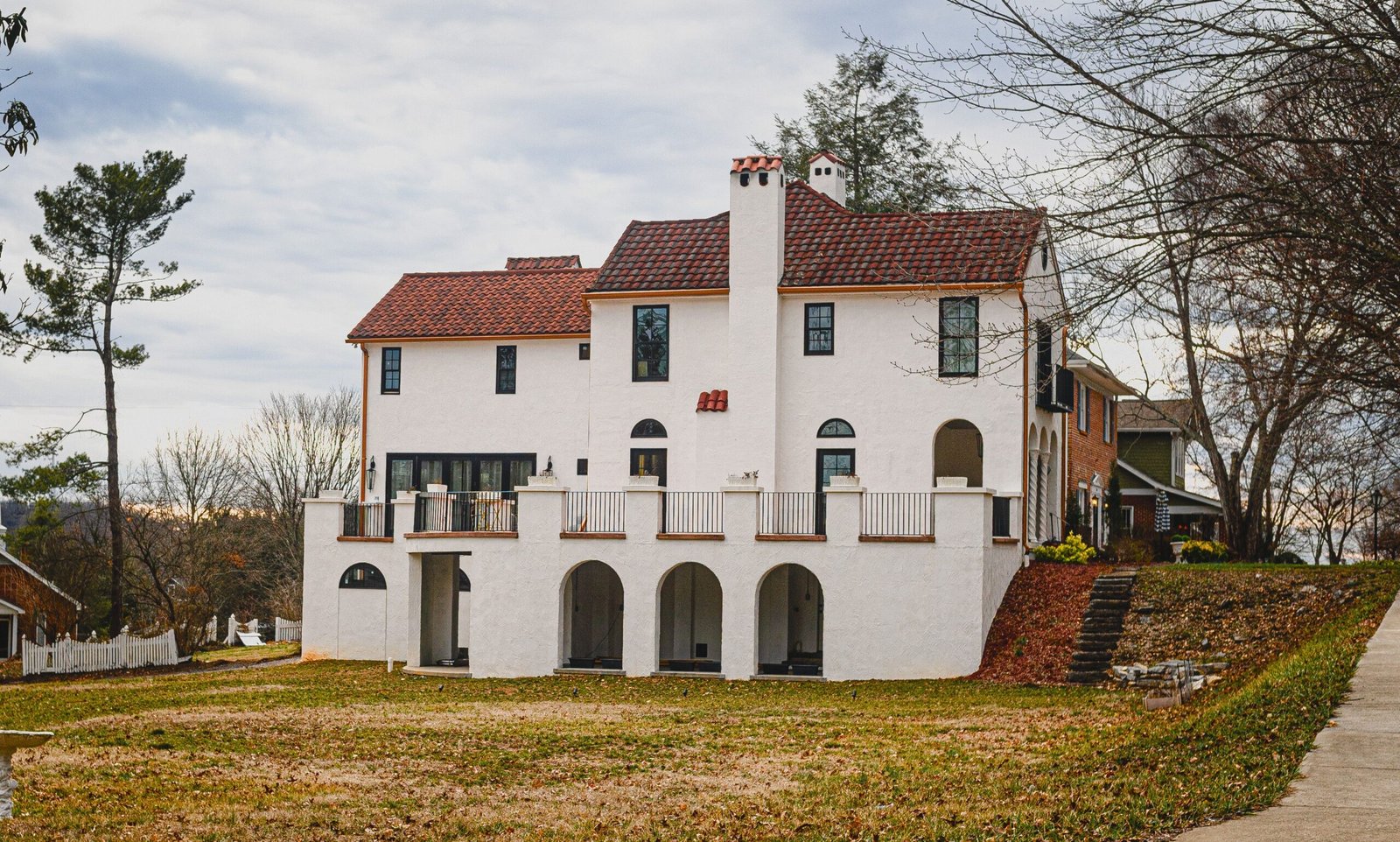
Stucco comes first. Spanish style walls are usually stucco in white, cream, or earth tones, often with rounded edges and a hand-finished texture. The finish reflects sunlight and helps the home feel cool in warm climates, while giving it a soft, rustic surface. Stucco over masonry or wood framing creates the thick-walled look that defines the style, even when modern framing sits behind it.
The roof is the second marker: low-pitched, covered in red or orange clay tiles, often with minimal overhang. Tile roofs last a long time when maintained, and they give the style its warm, rhythmic skyline. For any tile-roof inspection, repair, or walking on the roof, hire a licensed professional. Clay tiles crack under foot traffic and steep or fragile roofs are not a do-it-yourself surface, and a broken tile can let water into the structure long before it shows inside.
Arches appear everywhere: doorways, windows, gates, niches, and loggia openings. Wrought iron adds the jewelry — railings, gates, window grilles, lanterns, and hardware, often with hand-forged character. Balconies and terraces, sometimes small and decorative, sometimes large enough for chairs, extend living space upward as well as outward. Windows are often smaller and more deeply set than in other styles, a habit from hot climates where shade mattered more than glass area. That habit has a cost in darker climates, covered below.
Details to notice: decorative tile accents around doors, windows, and fountains; exposed wood beam ends under roof eaves; and parapets (low walls above the roofline) on some Mission-influenced homes. A home with stucco, tile, arches, and iron together reads as Spanish. A home with only one of those — stucco walls and a shingle roof, for example — is borrowing the palette, not the style.
Inside: Plaster, Beams, and Tile
Step inside, and the materials continue the story. Walls are plaster with visible texture, often warm white or earth-toned. Ceilings show dark-stained wood beams, sometimes with wood planking between them. Floors are terracotta or saltillo tile — handmade-look clay tiles with warm variation — or wood in some rooms. Arched doorways and niches soften transitions between rooms. Fireplaces, often with tile surrounds, anchor living areas.
Tile does the decorating work that wallpaper or molding does in other styles: patterned tiles on stair risers, kitchen backsplashes, bathroom walls, and fountain surrounds. A little patterned tile goes a long way. A home that tiles every surface can feel busy; a home that uses tile at focal points — entry, fireplace, kitchen, fountain — feels curated.
Furniture and color should follow the architecture rather than fight it. Low, comfortable seating, wood furniture with dark finishes, leather, woven textures, and earthy colors (terracotta, ochre, olive, deep blue accents) suit the style. Bright white walls with cool gray furniture can make a Spanish interior feel cold and disconnected from its warm shell. Warmth is not a rule, but it is the style’s natural temperature.
Check light room by room. Small, deeply set windows can leave interiors dim, especially on the north side or where a courtyard wall blocks sun. If a room feels dark at midday, ask whether larger openings, lighter plaster, mirrors, or better lamps can fix it — or whether the room will always need artificial light. The interior guide to Spanish style home design describes the same palette — textured plaster, dark beams, terracotta floors, arched niches, wrought iron — that you should look for when you tour.
Four Subtypes, Compared
| Subtype | Era and roots | Look for | Suits |
|---|---|---|---|
| Spanish Colonial Revival | Early 20th century, after the 1915 exposition; Spanish Baroque and Andalusian roots | Stucco, red tile, arches, iron, balconies, courtyards; often one or two stories | Buyers wanting the classic, romantic version |
| Mission Revival | Late 19th century; California missions | Smooth stucco, parapets, curved gables, arched entries, sometimes bell towers | Fans of simple, mission-like silhouettes |
| Pueblo Revival (Santa Fe style) | 20th century; adobe forms rebuilt in brick or concrete | Rounded forms, earth tones, flat roofs with parapets, vigas (beam ends) | Desert and Southwest settings; earthy minimalism |
| Spanish Eclectic | Modern mashup of Spanish elements | Mixed details: tile roof here, arches there, varied materials | Buyers who like the flavor without strict authenticity |
Most homes for sale today labeled “Spanish” are Spanish Colonial Revival or Spanish Eclectic. That is not a flaw. Eclectic homes can live beautifully. But know which you are buying; a strict Revival home rewards period-sensitive restoration, while an Eclectic home gives you more freedom to update kitchens, windows, and layouts without breaking a historical idea.
Climate Fit: A Decision Guide
Spanish style was shaped by warm, dry air. Use this guide to judge fit honestly.
Warm and dry (Southern California, Arizona, New Mexico, inland Texas). The natural home of the style. Courtyards, tile, stucco, and outdoor living work as designed. Shade, water-wise planting, and courtyard drainage still matter, but the style’s logic matches the climate.
Warm and humid (Florida, Gulf Coast). The style works, with care. Stucco needs moisture management, tile and plaster need ventilation, and courtyards need drainage and shade to avoid becoming humid traps. Covered outdoor areas help more here than open courts. Ask a local inspector about stucco and moisture in your area before buying.
Cold climates. The style struggles. Tile roofs handle snow loads differently from shingles and need professional assessment. Stucco can crack in freeze-thaw cycles. Courtyards sit unused for months, and small windows darken long winters. A Spanish style home can exist in a cold climate, but it needs climate-adapted construction — not just a Spanish facade on a northern frame. Budget for that adaptation, or choose a style shaped by cold air.
Coastal and salt air. Iron rusts faster and paint weathers harder, and tile and wood need more frequent care. The style’s materials are not fragile, but they ask for a maintenance rhythm that coastal owners should accept before buying.
Climate fit is not a verdict on taste. It is a maintenance and comfort forecast. A home that fights its climate for decades costs more and pleases less than a home that works with it.
What the Materials Ask of You
| Material | Why it charms | What it asks |
|---|---|---|
| Stucco | Soft texture, sun-reflecting, unified walls | Crack repair, moisture checks, repainting over time |
| Clay tile roof | Warm skyline, long life, fire resistance | Professional inspection and repair; broken tiles leak silently |
| Wrought iron | Handcrafted detail, elegant gates and rails | Rust prevention, repainting, secure anchoring |
| Terracotta / saltillo tile | Warm, varied, durable floors | Sealing, grout care, hardness underfoot (use rugs in living areas) |
| Wood beams | Warmth, structure, character | Dusting, finish upkeep, moisture and pest checks |
| Decorative tile | Color and craft at focal points | Grout care; matching replacements can be hard to find |
Ask a local builder or inspector how each material behaves in your town before you commit. The same stucco that thrives in dry heat can struggle in wet freeze-thaw winters. Local knowledge beats general praise every time.
Decorating Without Caricature
Spanish interiors invite over-decoration: too much tile, too much iron, too many “fiesta” colors at once. Restraint keeps the style elegant.
Pick one tile star per room — a fireplace surround, a kitchen backsplash, or a stair riser — and let other surfaces stay calm. Repeat iron in two or three places (a lantern, a railing, a mirror frame) rather than ironing every surface. Use earthy colors as the base and one deep accent (cobalt, olive, or burgundy) in small doses. Add plants generously: courtyards and Spanish interiors both come alive with terracotta pots, olive trees in containers where climate allows, and trailing plants on balconies.
Let the architecture lead. If the home already has beams, arches, and tile, furniture can be simple and comfortable. The house is doing the decorating. Your job is to keep it comfortable and uncluttered.
Mistakes That Flatten the Style
- Adding arches and tile to a home whose proportions, roof, and windows belong to another style.
- Paving a courtyard with no drainage, shade, or furniture plan, so it stays empty.
- Tiling every surface until the home feels like a restaurant theme room.
- Ignoring small-window darkness in northern or shaded rooms.
- Walking on a tile roof or delaying broken-tile repair until water damage appears inside.
- Choosing the style for looks alone in a climate that punishes its materials.
Frequently Asked Questions
What is a Spanish style home?
It is a home with stucco walls, a red clay tile roof, arched doorways and windows, wrought-iron details, and living organized around a courtyard or patio, with warm plaster, beam, and tile interiors.
What are the different types of Spanish style homes?
The main branches are Spanish Colonial Revival (early-20th-century romantic version), Mission Revival (mission-inspired, late 19th century), Pueblo Revival or Santa Fe style (rounded adobe forms), and Spanish Eclectic (a modern mix of Spanish details).
Where are Spanish style homes most common?
They are most common in California, the Southwest (Arizona, New Mexico), Texas, and Florida — regions shaped by Spanish settlement and warm climates suited to stucco, tile, and courtyard living.
Are Spanish style homes good in cold climates?
They can be built in cold climates, but the style was shaped for warm, dry air. Tile roofs, stucco, and courtyards need climate-adapted construction and maintenance there, and buyers should get professional advice before assuming a warm-climate design will perform the same in winter.
How do you decorate a Spanish style home without overdoing it?
Let the architecture lead: one tile focal point per room, iron in a few places, earthy colors with one deep accent, simple comfortable furniture, and plenty of plants. Restraint keeps the style warm rather than theatrical.
A Short Way to Choose
Test the courtyard first, name the subtype, and check climate fit with a local inspector. A Spanish style home that passes all three will feel warm on arrival and comfortable for years — a house built around sun, shade, and gathering, not just around a tile roof. For more home design ideas, browse the Home Design section, and read about the site on the About Luxury Homes Idea page. The Luxury Homes Idea homepage gathers the full collection.
Disclaimer This guide is general information only, not design, zoning, or construction advice. Homes, climates, and household needs vary. For roof, structural, or building questions, hire a licensed professional in your area.