What Is Vintage Interior Design? A Beginner’s Guide to Old Soul, Modern Home
Vintage interior design is a style that draws on furniture, colors, and decorative details from past decades — usually pieces and looks from the early 20th century through the 1980s — and mixes them into a home that still works for modern life. A vintage room is not a museum recreation of one year. It is a present-day room with an old soul: one or two pieces with history, colors and materials from a chosen era, and everything else kept comfortable and practical.
The working definition most design sources use is simple. “Vintage” generally describes items roughly 20 to 100 years old. That range is a common convention, not a legal label, so two sellers may use the word slightly differently. What matters for your room is not the exact birthday of a chair. It is whether the piece brings the character of its era into a room that still suits your daily life.
Vintage, Retro, and Antique — Untangled
These three words get mixed up constantly, and the confusion costs people money. Here is the plain version:
- Vintage means inspired by, or actually from, a past era — often the 1920s through the 1980s. A vintage piece may be genuinely old, or it may be a faithful reproduction of an older design. The emphasis is on period character: real wood, period shapes, and details from that time.
- Retro means a modern reinterpretation of a recent past style, usually the 1950s through the 1980s, with a playful, bold attitude. Retro leans toward bright colors, fun patterns, and pop-culture energy. A brand-new chair in a 1970s shape and a loud orange color is retro, even though it was made last year.
- Antique generally means 100 years old or older. Antiques are the oldest category, and they often carry the highest prices and the greatest need for careful handling.
A useful test: if a piece makes you think “this could have sat in my grandmother’s house,” it leans vintage. If it makes you think “this looks like a fun throwback made for today,” it leans retro. If it could have sat in your great-grandmother’s house, it may be antique. You do not need to pass a quiz to decorate well. You only need to know which feeling you are buying, so a seller’s label does not decide for you.
The distinction is explained in the same terms by Nazmiyal’s vintage interior design guide, which separates vintage’s period authenticity from retro’s modern reinterpretation.
Three Eras, Three Personalities
Most vintage rooms lean on one era as their lead, even when they borrow from others. Picking a lead era first prevents the “everything old at once” look. Here are the three eras beginners reach for most, compared side by side — the original decision table of this guide.
| Era | Feeling | Signature shapes | Typical colors | Signature materials |
|---|---|---|---|---|
| Art Deco (1920s–’30s) | Glamorous, bold, polished | Geometric patterns, stepped shapes, fan and sunburst motifs, curved furniture | Black, cream, gold, deep green, rich jewel tones | Lacquered wood, brass, chrome, glass, marble |
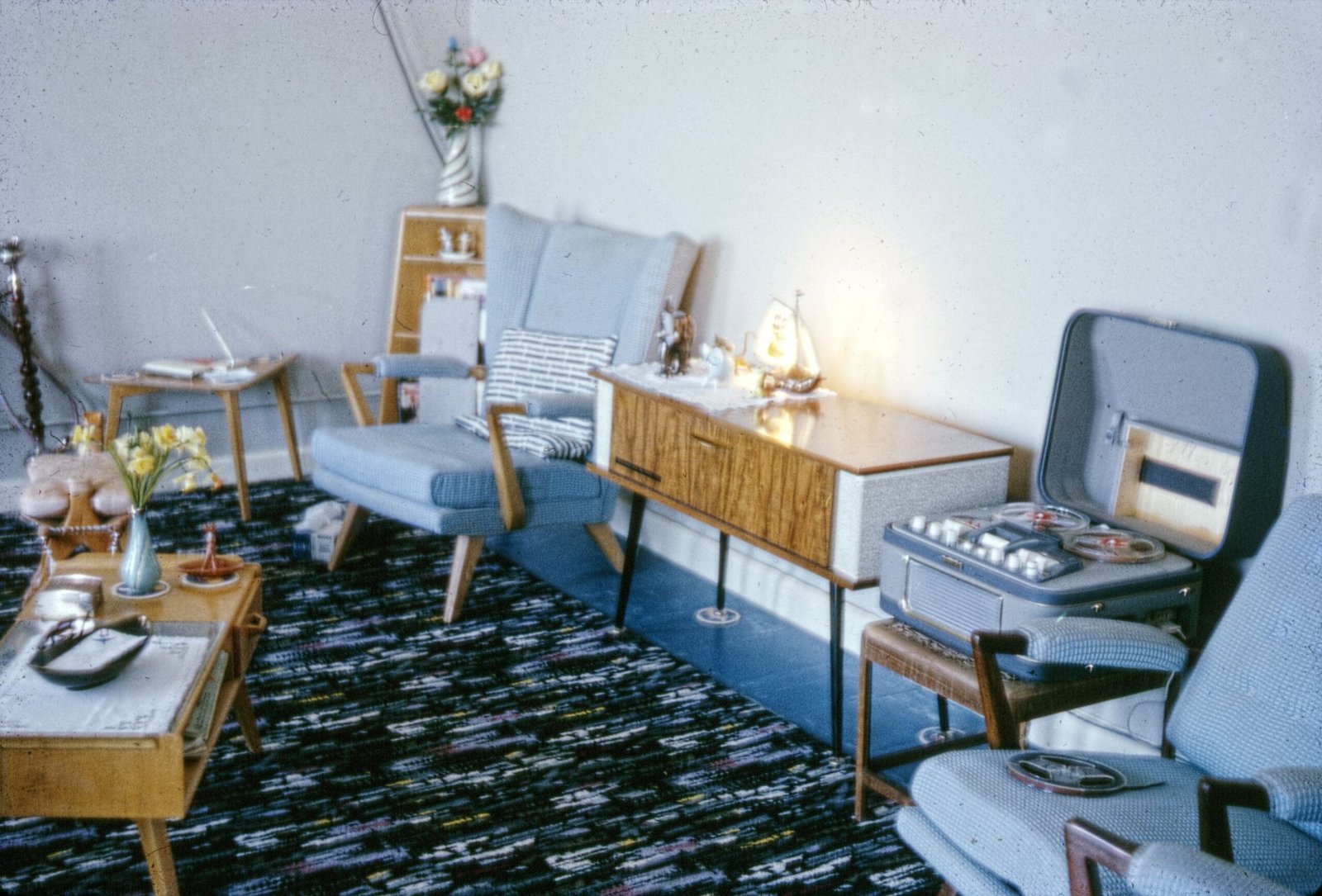
| Mid-century (1950s–’60s) | Clean, optimistic, easygoing | Low profiles, tapered legs, organic curves, simple lines | Mustard, avocado, burnt orange, teak brown, warm neutrals | Teak and walnut, leather, molded plywood, simple metals |
| 1970s bohemian | Warm, earthy, relaxed | Low seating, rounded forms, layered textures, handmade looks | Earthy browns, rust, harvest gold, dusty rose, olive | Rattan, wicker, rough wood, macramé, thick textiles, clay |
Notice how different these personalities are. An Art Deco room wants polish and symmetry. A mid-century room wants clean lines and breathing room. A 1970s room wants layers and softness. When a room mixes all three without a lead, it usually feels confused rather than collected. Choose one lead era, then let one or two pieces from another era visit as guests, not as co-owners.
What Vintage Rooms Have in Common
Across eras, vintage rooms share a handful of traits that you can spot and use:
Solid, natural materials. Vintage pieces were often built from solid wood, leather, brass, glass, and natural fibers such as cotton, linen, wool, and silk. That is part of why they survived long enough to become vintage. A heavy, well-joined wooden dresser tells a different story from a lightweight flat-pack copy, and your hands can usually feel the difference.
Patina, not perfection. Patina is the gentle wear that age leaves behind: softened edges, a darkened brass tone, a faded patch where sunlight fell for years. In vintage design, patina is character, not damage — as long as the piece is still sound. A wobbly leg or a cracked frame is damage, and it needs repair before the piece earns a place in daily use.
Period color and pattern. Colors follow the era. Soft pastels and warm beiges suit early-20th-century and 1940s rooms. Mustard, avocado, and burnt orange belong to mid-century and 1970s rooms. Patterns follow the same logic: florals and damask for older eras, geometric prints for Art Deco and mid-century, bold organic shapes for the 1970s. Fabdiz’s vintage style guide lists the same family of traits — carved or distressed wood, soft pastels, antique showpieces, ornate mirrors, layered textiles, and statement lighting.
Statement lighting. Chandeliers, brass lamps, and warm Edison-style bulbs appear often in vintage rooms, because lighting was part of the era’s personality. A single vintage lamp can carry the whole style of a small room, which makes lighting a smart place to start.
Personal collections. Vintage rooms tend to display things with stories: old clocks, cameras, books, suitcases, or inherited dishes. Displayed in small numbers, these objects make a room feel collected over time rather than decorated in a weekend.
The One-Anchor Method
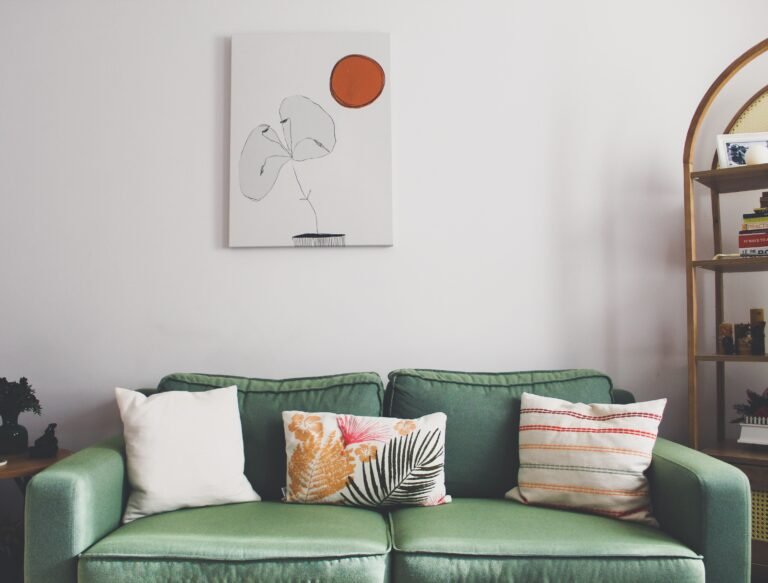
Here is the practical spine of this guide, and the simplest way to avoid a theme room: give each room exactly one vintage anchor piece, and let the rest of the room stay modern and calm.
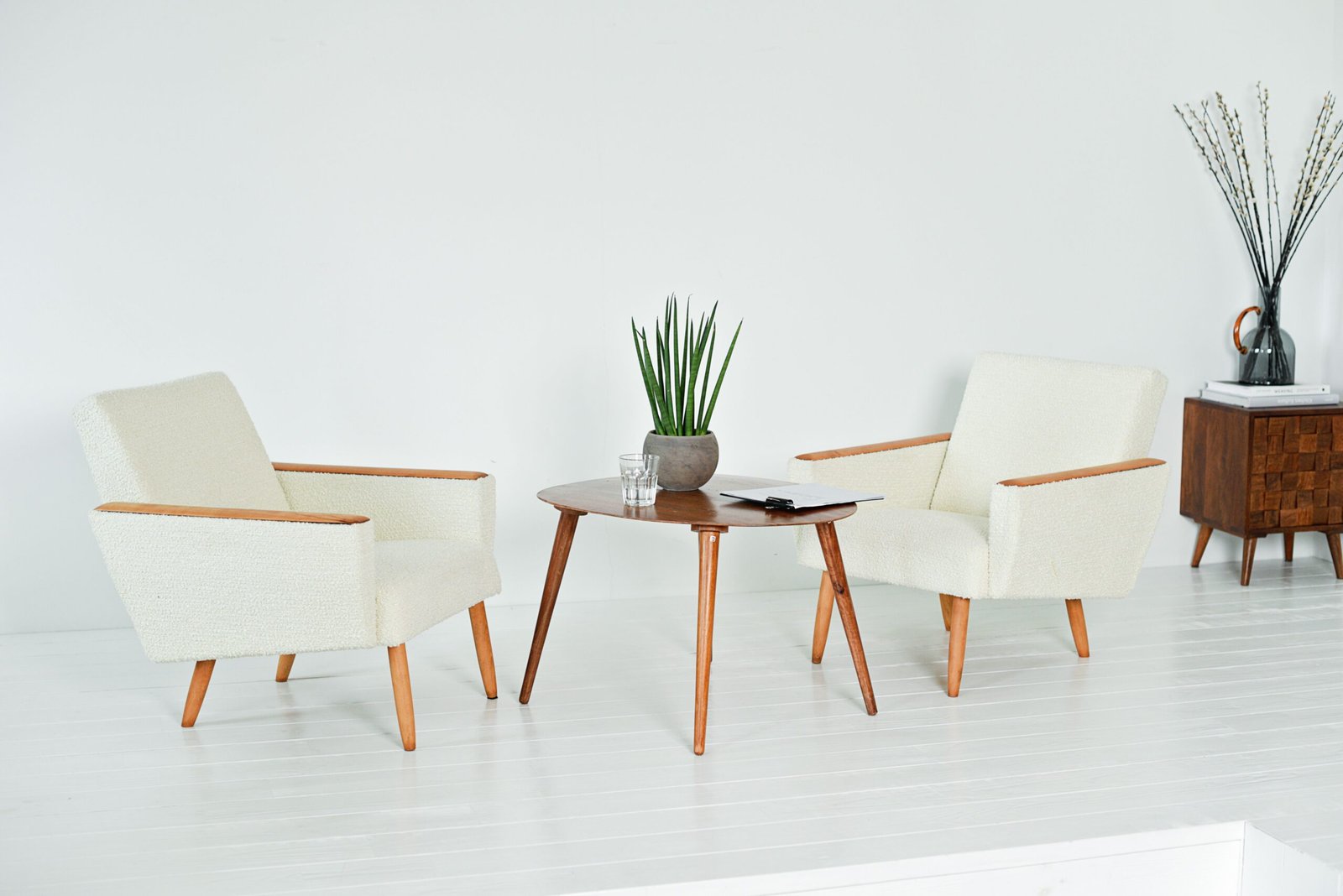
An anchor is the piece your eye lands on first. In a living room, it might be a walnut mid-century coffee table or an Art Deco mirror. In a bedroom, a carved wooden headboard or a pair of brass lamps. In a dining room, a solid oak table or a set of chairs with a story. One anchor is enough, because one strong piece sets the era for the whole room. Two anchors can work if they share a material or a color. A full matching vintage set usually does the opposite: it turns the room into a display, and it leaves no quiet space for the eye to rest.
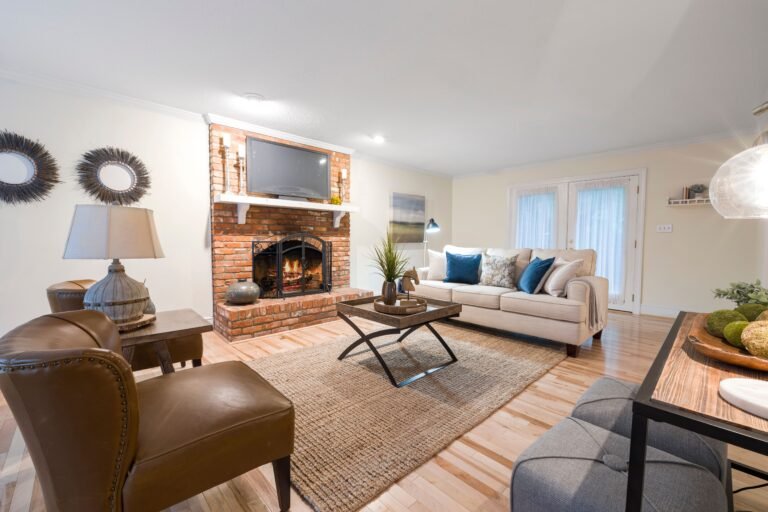
Build around the anchor in three steps. First, place the anchor where it gets noticed — not hidden in a corner, but not blocking daily movement either. Second, choose a calm base: neutral walls, simple modern seating or bedding, and plain flooring that lets the anchor stand out. Third, add one or two small echoes of the anchor’s era: a cushion in an era color, a brass frame, or a lamp with a similar finish. Echoes tie the room together. Copies of the anchor all over the room do not.
Designers often describe the balance as roughly 80 percent modern to 20 percent vintage. Treat that as a guideline, not a rule. The real test is simpler: walk into the room and notice whether you see a home with a beautiful old piece, or a collection of old pieces with a home somewhere behind them.
Reading a Piece Before You Buy It
Secondhand and antique shopping rewards a slow look. Before you pay, run this check, whether you are in a thrift store, at an estate sale, or scrolling listings:
- Joints and stability. Sit on chairs, open drawers, and gently rock tables. Solid joinery feels firm. Staples, wobble, and cracked joints warn of repairs ahead.
- Smell and signs of damage. A musty smell, water stains, or tiny holes can signal damp or insect damage. Ask the seller directly, and walk away from pieces with active damage you cannot assess.
- Labels and marks. Maker’s marks, stamps, or labels inside drawers and under seats can hint at age and origin. Absence of a mark proves nothing — many fine pieces are unmarked — but a mark that contradicts the seller’s story is a reason to pause.
- Reproduction honesty. A good reproduction is not a bad purchase. It is only a problem when it is priced or described as a genuine antique. Ask plainly: “Is this original to the period, or a reproduction?” A trustworthy seller answers plainly too.
- Electrical safety. Vintage lamps and light fixtures can hide worn wiring. Before using any old lamp daily, check the cord and plug for cracks or exposed wire. If anything looks worn, have it rewired by a qualified electrician before you plug it in — never use a damaged lamp while you wait for repairs.
- Fit and function. Measure the piece and your room, including doorways and stair turns for delivery. A beautiful sideboard that cannot enter your apartment is not a bargain.
If a piece fails the stability or safety check, leave it. There will always be another chair. There is no vintage look worth a broken frame or an unsafe lamp.
Mixing Vintage With a Modern Room
Mixing works when the old and new pieces share something. Pick one bridge between them and repeat it quietly:
- A shared material. A walnut vintage table and a modern walnut shelf. Brass lamp bases and brass picture frames.
- A shared color. The mustard in a vintage cushion echoed in one modern art print. The deep green of an Art Deco vase echoed in a simple modern sofa frame.
- A shared shape. The curve of a mid-century chair echoed in a round mirror. The straight lines of a Deco cabinet echoed in a simple modern sofa frame.
Keep modern pieces simple when the vintage piece is ornate, and let the vintage piece be the most decorated thing in the room. Two ornate stars compete; one star and a calm supporting cast looks intentional.
Scale matters too. A large, heavy antique sideboard can overwhelm a small modern room, while a small vintage stool can disappear in a large one. Match the anchor’s visual weight to the room: substantial pieces for larger rooms, lighter pieces — a lamp, a mirror, a side chair — for smaller ones.
Living With Vintage Pieces
Vintage pieces ask for a little more care than new ones, and they repay it. Dust wood with a soft, dry cloth and avoid harsh cleaners unless you know the finish. Keep leather out of direct, all-day sunlight, which dries and fades it. Let brass develop its patina if you like the aged look, or polish it gently if you prefer shine — but do not strip a finish you have not identified, because some finishes protect the piece underneath.
Know when to leave a piece alone and when to call for help. A loose screw or a squeaky hinge is a small home fix. A broken chair joint, a damaged frame, or any electrical rewiring belongs to a qualified restorer or electrician. A well-done repair keeps a piece usable for decades. A rushed repair can destroy the very character you bought it for.
Finally, let the room evolve. Vintage style suits slow collecting: one anchor now, one found object next season, one inherited piece when it arrives. A room collected over years looks more convincing than a room bought in a weekend, because it is.
Frequently Asked Questions
What is vintage interior design?
It is a style that uses furniture, colors, and details from past decades — usually the early 20th century through the 1980s — inside a modern, livable home. The goal is character and warmth, not a perfect recreation of one year.
What is the difference between vintage and retro interior design?
Vintage leans toward authentic or faithfully reproduced pieces from a past era. Retro leans toward playful, modern reinterpretations of recent decades, often with bold colors and pop-culture energy. A genuinely old 1960s chair is vintage; a new chair made in a 1960s shape and a loud color is retro.
How old does furniture have to be to count as vintage?
The common working definition is roughly 20 to 100 years old. Pieces older than about 100 years are generally called antiques. There is no legal standard for the word “vintage” in home decor, so treat seller labels as a starting point and judge the piece itself.
How do I mix vintage and modern furniture?
Start with one vintage anchor piece per room, keep the rest of the room modern and calm, and connect old and new with one shared material, color, or shape. A rough 80-percent-modern to 20-percent-vintage balance is a useful guideline, not a rule.
Can vintage style work in a small apartment?
Yes, and it often works best in small doses. Choose a lighter anchor — a lamp, a mirror, a side chair, or a small table — rather than a heavy sideboard. One strong piece gives a small room character without crowding it.
Where can I find vintage furniture?
Thrift stores, estate sales, flea markets, secondhand shops, and online resale listings are all common sources. Inherited pieces from family are often the most meaningful anchors. Wherever you shop, check stability, condition, and electrical safety before you buy, and measure doorways for delivery.
Start With One Piece
You do not need a house full of old furniture to enjoy vintage interior design. You need one piece with a story, a calm room around it, and one or two quiet echoes of its era. Find that piece first — at a thrift store, an estate sale, or already sitting in your own family — and let the room grow around it slowly.
For more interior ideas to pair with your vintage finds, browse the Luxury Homes Idea homepage, and to learn more about the people behind these guides, read the About Luxury Homes Idea page.
Disclaimer This article offers general design information, not advice for your specific home. Ages, values, and conditions of vintage pieces vary, so judge each piece on its own condition. For repairs, restoration, or electrical rewiring, consult a qualified professional.