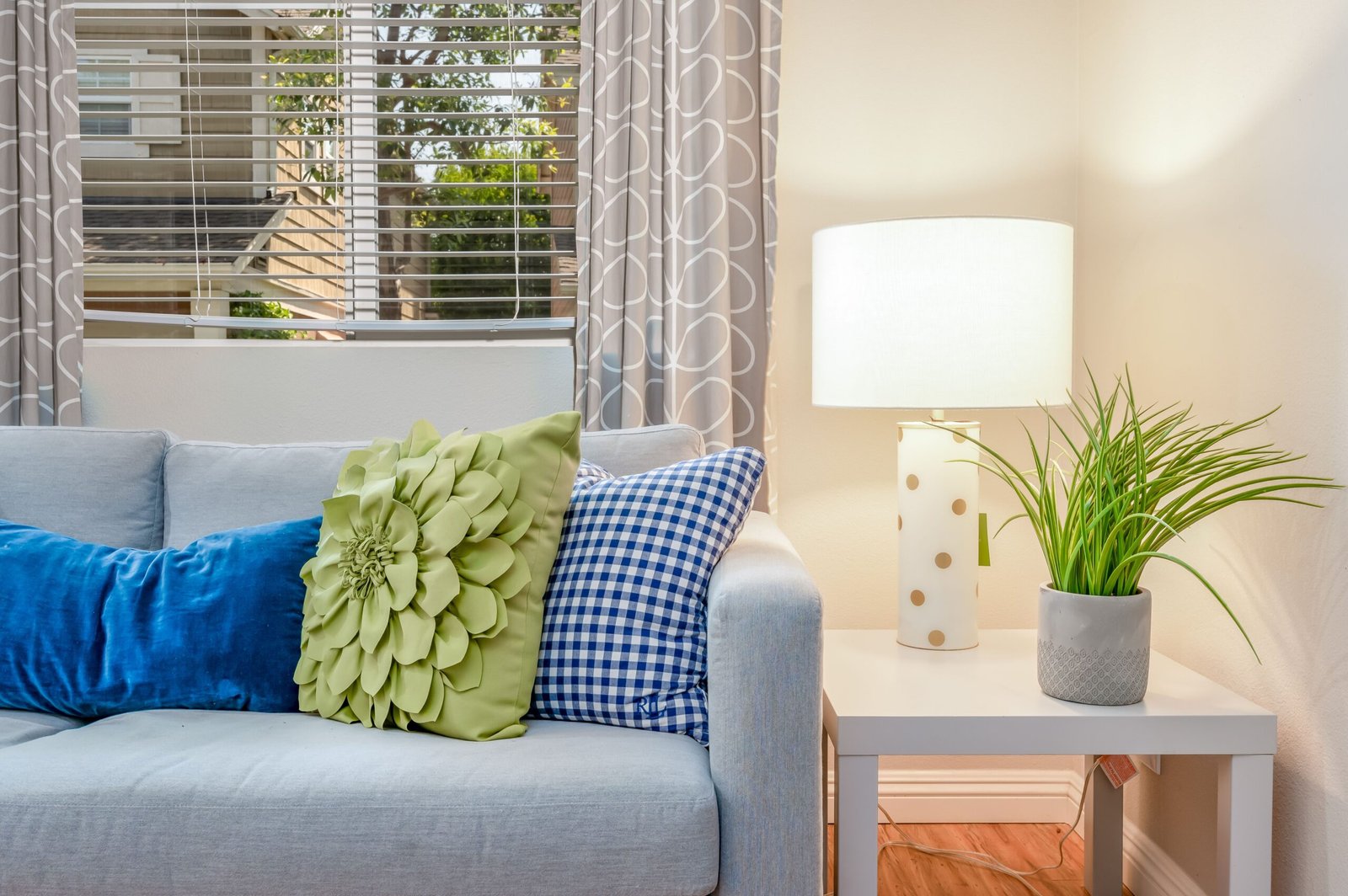
Famous Interior Designers and What You Can Learn From Their Work
Famous interior designers are designers whose work reaches far beyond their own clients. You see their rooms in magazines, on television, in hotels, or on products in stores. Their real value for a beginner is not their fame. It is their repeatable ideas: one clear move you can borrow, test, and adapt to your own home.
That comes with one condition. Fame is not proof that a style will suit your house, your budget, or your daily life. A hotel lobby can be stunning and still be wrong for a small living room. This guide introduces six well-known designers, names one lesson from each, and ends with a simple test you can use before you spend money.
What “Famous” Means in Interior Design
A designer usually becomes well known through one or more of four routes. Some build a name on television, where viewers watch rooms change week after week. Some write books that spread their ideas to people who will never hire them. Some design hotels, restaurants, or shops, so thousands of people walk through their work. And some create product lines — furniture, fabric, lighting, or decor — that carry their style into ordinary homes.
Lists of famous interior designers working today show how mixed the group is. The names include hotel designers, television hosts, authors, and product creators. That mix is the point. There is no single path, and there is no single “best” designer. There are only designers whose ideas you can study.
It also helps to know what these lists do not do. They do not rank designers by skill, and they do not mean a designer is right for your project. Think of them as a shortlist of teachers, not a league table.
Kelly Wearstler: Bold Mixing, Done on Purpose
Kelly Wearstler is an American designer known for bold, eclectic rooms that mix periods, patterns, and materials. She founded her Los Angeles firm in the mid-1990s and became widely known for hotel work, including Viceroy properties, as well as private homes and product lines. Her rooms are often described as maximalist, which means they use a lot of color, pattern, and texture rather than stripping a room back to bare basics.
The lesson here is not “add more stuff.” It is that mixing works when something holds the room together. In Wearstler’s work, that thread is often a strong color story or a repeated material, such as brass or a bold stone, that appears in more than one place. The eye reads the repetition and forgives the variety.
What to borrow
Pick one thread and repeat it three times. For example, choose a deep green, then use it in a cushion, a piece of art, and a plant pot. Keep the rest of the room calmer so the thread can do its job.
What to skip
Do not buy five loud statement pieces at once. One bold chair can anchor a room. Five bold chairs, a patterned rug, and a bright sofa usually fight each other, and the room starts to feel like a shop display rather than a home.
If you love this style, start small. Swap one plain cushion for a patterned one, or hang one large piece of art instead of a cluster of small frames. Live with it for a week before you add more.
Nate Berkus: Rooms That Tell Your Story
Nate Berkus is known for rooms that blend vintage and modern pieces and feel personal rather than staged. He became widely known through television, and his work often pairs a clean-lined sofa with an older chair, a family photograph, or an object picked up while traveling. The room looks collected over time, not bought in one trip.
The lesson is simple: a room feels like yours when something in it could only belong to you. That does not require expensive antiques. It could be a book you love, a framed map of a place that matters to you, or a chair you refinished yourself.
The one-shelf test
Before you buy new decor, look at one shelf or side table. Ask yourself what is already there that has a story. If the answer is nothing, add one meaningful object before you add three decorative ones. A room with one real story beats a room with ten perfect accessories.
Berkus-style mixing also has a practical side. Vintage pieces vary in height, color, and finish, so they hide wear better than a matching set. A scratched wooden side table next to a new sofa looks intentional. A scratched table in a room where everything else matches looks like a mistake.
Joanna Gaines: Warm, Simple, and Lived-In
Joanna Gaines is known for a warm farmhouse style, often linked with shiplap walls, natural wood, and simple, comfortable furniture. She rose to wide fame on television with her husband Chip Gaines, and later built the Magnolia Market in Waco, Texas, along with books and product collaborations. Her rooms tend to feel calm, bright, and easy to live in.
The lesson is restraint. Gaines-style rooms work because they leave space. Walls are often light, furniture lines are simple, and decoration is limited to a few natural textures: wood, linen, iron, and greenery. Nothing shouts, so the room feels restful.
Where farmhouse works
It works well in homes with natural light, wood floors, and a relaxed routine — kitchens where people gather, porches, and family rooms. A wooden bench, a linen curtain, and a single large plant can carry the whole feeling.
Where it fights the house
It can feel forced in a very modern apartment with glossy finishes and little wood, or in a room that needs bold color to feel alive. If your home already has strong architectural character, such as dark wood trim or colorful tile, forcing pale farmhouse finishes over it can mute what is already good. In that case, borrow the calm and the simplicity, not the exact palette.
Justina Blakeney: Color, Pattern, and Plants
Justina Blakeney is a Los Angeles-based designer and author known for joyful, plant-filled rooms. She founded the Jungalow brand and has been named to Architectural Digest’s AD100 list of designers and tastemakers (see this roundup of popular interior designers). Her style is often called bohemian: layered patterns, rich color, handmade textures, and lots of greenery.
The lesson is confidence with color and nature. Many beginners buy beige because it feels safe, then wonder why the room feels flat. Blakeney’s work shows that color and plants can be the decoration, so you need fewer objects overall.
Start with one plant corner
You do not need a jungle on day one. Choose one corner with decent light. Add one tall plant, one trailing plant on a shelf, and one patterned cushion that picks up a color from a nearby rug or throw. That small cluster teaches you how much color you actually enjoy living with.
A practical note: plants are living things, not props. Check the light in your corner across the day and choose a plant that suits it, rather than buying the prettiest one in the shop and hoping it survives. A healthy plant in a plain pot looks better than a struggling plant in a beautiful one.
Jonathan Adler and Emily Henderson: Playful Modern Meets Approachable
Two more names round out the picture because they pull in opposite directions, and most beginners sit somewhere between them.
Jonathan Adler is known for playful, modern American design: clean shapes, strong color, and a sense of humor. Think of a bright ceramic lamp, a bold geometric cushion, or a witty piece of art in an otherwise tidy room. The lesson is that one playful piece can stop a modern room from feeling cold, as long as the rest of the room stays calm.
Emily Henderson is known for approachable, livable styling that explains itself. Her rooms look like real homes where people read, eat, and host friends, not like photo sets. The lesson is editing for daily life: every piece should earn its place by being used, sat on, or genuinely loved, not just photographed well.
Together, they teach a useful balance. Adler asks, “Where is the fun?” Henderson asks, “Where do you actually live?” A good room usually answers both.

The Style Borrow Test: Try the Look Before You Commit
This is the part most designer roundups skip. Admiring a room is free. Living in it is not. Before you buy anything inspired by a famous designer, run this three-question test:
- Does it fit how you live? A white linen sofa looks beautiful in a photograph. If you have young children, pets, or a habit of eating on the sofa, it may cause more stress than joy. Choose the version of the look that survives your real week.
- Does it repeat one thread? Look at your room and name the thread: one color, one material, or one shape. If you cannot name it, the new piece will probably look random. Repeat the thread first, then add the piece.
- Can you test it for a weekend? Try the idea in its cheapest form. Drape a colored throw before you buy a colored sofa. Move a plant into the corner before you buy a plant stand. Tape a paint sample to the wall and watch it in morning and evening light. If you still like it on Monday, it is worth spending on.
If an idea fails any one question, it is not a bad idea. It is just not the right idea yet. Change the scale, the color, or the room, and test again.
What Not to Copy From Famous Rooms
Famous rooms are often photographed, which changes how they are styled. Here are three traps to watch for:
- Matching sets. A full matching furniture set looks tidy in a photo but can feel flat in person. Mix one or two pieces, as Berkus does, and the room gains character.
- Oversized art for the camera. A huge piece of art fills a photograph beautifully. In a small room, it can dominate the wall and leave no breathing space. Measure your wall first, and leave empty space around the frame.
- Rooms with nowhere to sit. Some styled rooms prioritize a view or a sculpture over seating. Your living room still needs enough comfortable seats for the people who actually use it. Beauty that removes function is not good design.
Also, be careful with “as seen in” shopping. A designer product line may carry a famous name, but the item still has to fit your room’s size, light, and use. The name does not change the measurements.
How to Find Your Own Thread
After studying several designers, most people notice a pattern in what they keep saving or photographing. Maybe every saved room has warm wood, or deep green, or lots of plants, or clean white walls with one bright chair. That pattern is your thread.
Write it down in one sentence. For example: “I like warm wood, soft light, and one strong color.” Then use that sentence as a filter. When you shop, ask whether the piece supports the sentence. If it does not, leave it, even if it looked wonderful in someone else’s room.
You can also borrow across designers. Take Wearstler’s repetition, Berkus’s personal object, Gaines’s calm, and Blakeney’s plant. That combination is not copying any one person. It is the start of your own style, built from lessons rather than labels.
Borrow one idea at a time, starting with the main interior design styles explained and our cozy living room ideas for rooms people love to gather in.
Frequently Asked Questions
Who is the most famous interior designer?
There is no official ranking, so the honest answer depends on how you measure fame. Television viewers may name Joanna Gaines or Nate Berkus first. Magazine readers may name Kelly Wearstler. Hotel guests may know a designer from a lobby they loved without knowing the name at all. Use fame as a starting point for learning, not as a score.
What style is Kelly Wearstler known for?
Wearstler is known for bold, eclectic, maximalist interiors that mix periods, patterns, and rich materials. Her work has been described in reference sources as blending modernism with old Hollywood glamour, and her hotel projects helped make that layered, dramatic look widely known. At home, borrow the repetition and the confidence, not the full hotel scale.
Can I copy a famous designer’s style on a small budget?
Yes, if you copy the idea rather than the items. A Wearstler-style room needs one repeated color, not designer furniture. A Berkus-style room needs one personal object, not antiques. A Blakeney-style room needs one healthy plant and one pattern, not a whole collection. Test small, buy slowly, and let the room grow.
Do I need to hire a famous designer to get the look?
No. Famous designers are useful as teachers, and most of their core ideas — repetition, personal objects, calm palettes, plants, and one playful piece — can be applied by a beginner. Hiring any designer, famous or local, makes sense when a project involves construction, a full renovation, or decisions you do not feel confident making alone. For a single room refresh, the Borrow Test above is usually enough.
How do I pick a style that fits my home?
Start with what your home already gives you: its light, its wood or tile, its ceiling height, and how you use each room. Then choose the designer lesson that supports those facts, not one that fights them. A dark room may suit Gaines’s light palette or Blakeney’s rich color better than a pale, minimal look. A small room may suit Henderson’s editing better than a maximalist mix. Let the house vote first.
Pick one designer, borrow one idea, and test it this weekend. That small, honest experiment will teach you more about your style than a whole feed of beautiful rooms.
Disclaimer This article shares general design information and inspiration only. Homes, budgets, and needs vary, and results will differ. For construction, structural, electrical, or plumbing work, hire a qualified professional.