Home Library Ideas: How to Create a Cozy Library in Any Room
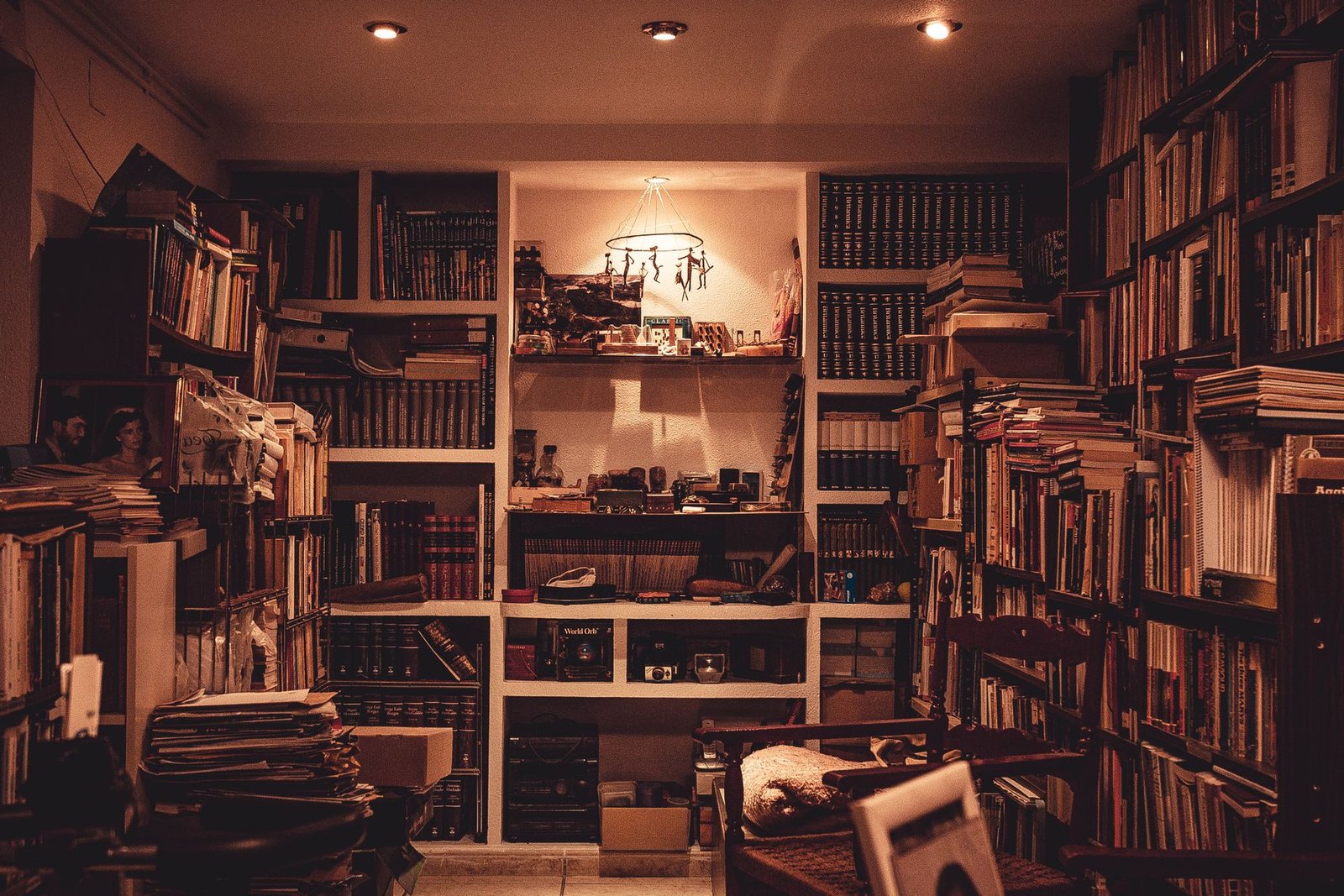
A home library is a place in your home built for books and reading: shelves that hold your collection, a chair you can sit in for an hour, and light that falls on the page. You do not need a spare room or a big budget — one wall, a quiet corner, or even a closet can become a library, as long as the shelves fit your books and the chair fits you. This guide covers where to put it, how to plan shelves that will not sag, and three ways to build them.
What Makes a Home Library Work
A home library works when three things come together: books within arm’s reach — the ones you actually read, not the ones you keep for show — a chair that lets you stay put, deep enough to tuck your feet up, and light aimed at the page, not at your eyes.
If any one of the three is missing, the library does not get used: shelves without a chair become storage, a chair without books nearby becomes just a chair, and a beautiful corner with bad light gives you a headache by page ten. Start with these three, and every idea below gets easier.
Our guide to interior design for beginners starts the same way for any room: look at how you actually live in the space before you buy anything.
Pick the Right Spot
The best spot for a home library is quiet, dry, and well lit — and it is a spot you already walk past without using. Before you claim a whole room, look at these places first.
A spare bedroom or a home office corner is the obvious choice — you can close the door and the room stays quiet. If your library shares the room with work, our guide to how to create a functional home office shows how to zone one room for two jobs without either feeling cramped.
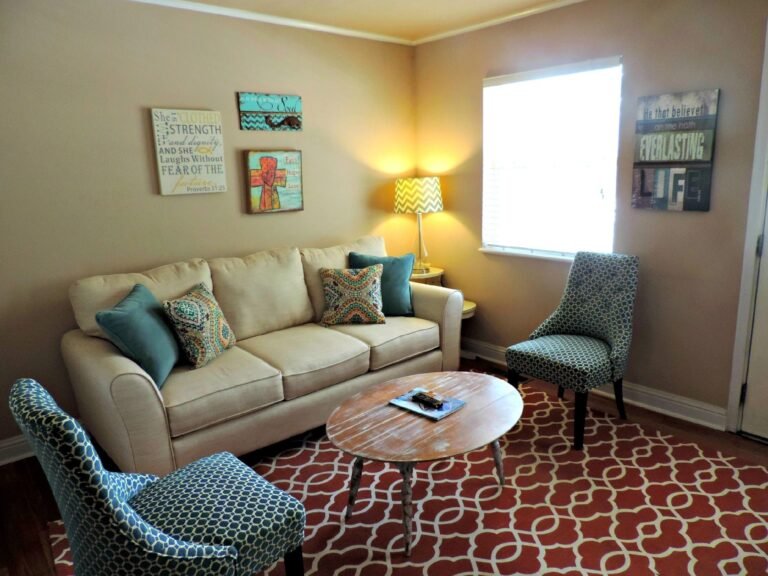
A living room corner is the next best spot: two bookcases set at a right angle hold a surprising number of books, and one armchair angled into the corner finishes the layout. Keep the chair slim, and keep books out of strong sunlight, which fades covers over time. Our guide to living room layout can help you place the chair so it faces the room instead of blocking it.
A hallway is the most wasted space in many homes, and shallow shelves turn it into a library: 8 or 9 inches deep holds most paperbacks without blocking the walkway. A stair landing works the same way — a chair, a small shelf, and a lamp turn a pass-through into a reading spot.
Under the stairs, a spare closet, or the wall behind a sofa can all work too — if you can sit there for an hour without being in everyone’s way, and the books stay dry. If the room is damp or the only light is a bare bulb, pick a different wall.
Plan Your Shelves Before You Buy Them
Count your books before you measure a wall: pull the ones you want into one pile, or count one full shelf and multiply. Books are heavy — about 35 pounds per linear foot — so a wall of books weighs far more than it looks, and that weight decides how strong your shelves need to be.
Use these numbers when you plan — they keep shelves from sagging under a full load.
- Shelf depth: 10 to 12 inches fits most books without wasting space; hallway shelves can be 8 to 9 inches deep.
- Shelf span: under 32 to 36 inches between supports — longer spans sag under heavy books.
- Shelf thickness: about 3/4 inch to 1 inch — thicker looks more solid and sags less.
- Shelf spacing: 8 to 12 inches between shelves for most books, more for tall art books. Adjustable shelves help, because not every book is the same height.
Anchor tall bookcases to the wall before you fill them. A full bookcase is top-heavy and can tip if a child climbs it or someone bumps it hard. Anchors and a screw into a stud cost a few dollars and take ten minutes — do this first, while the case is still empty.
Floor weight matters for big collections. Most US living-area floors are built to carry about 40 pounds per square foot, and a wall of full shelves can come close to that limit. For several full walls of books on an upper floor, ask a structural engineer first — a ground-floor room is safer for a serious collection.
Three Ways to Build Your Shelves
You can get the library look three ways — the right one depends on your budget, your tools, and whether you rent or own.

Fully custom built-ins. A carpenter builds shelves to fit your wall exactly, floor to ceiling, with trim, crown molding, and sometimes a rolling ladder. The most seamless result and the most expensive — and it stays with the house, so it suits owners who plan to stay put.
Semi-custom and the flat-pack hack. This is the middle path, and the one most readers choose. Buy ready-made bookcases, line them up, fix them to the studs, then add a base platform, trim, crown molding, and one coat of paint in the wall color. Painted one color, plain bookcases look like built-ins. The Spruce’s guide to home library ideas shows this trick in real rooms, including flat-pack shelves finished with trim and sconces.
Freestanding bookcases. The simplest option, and the only one that moves with you. Matching bookcases pushed tight together look almost as intentional as built-ins, especially with a top board across them to tie them into one unit. Renters should stick with freestanding shelves — nothing is fixed to the wall except the safety anchors.
| Option | Cost | Look | Best for |
|---|---|---|---|
| Fully custom built-ins | Highest | Seamless, fitted to the wall | Owners, whole-room libraries |
| Flat-pack hack | Medium | Near-custom when painted and trimmed | Most homes, best value |
| Freestanding bookcases | Lowest | Clean, flexible, moves with you | Renters, small spaces, first libraries |
Whichever route you choose, leave breathing room on every shelf — a shelf packed edge to edge looks like storage, not a library.
The Reading Chair and the Light
Choose the chair before anything else, because the chair decides whether you actually read there. Sit in it the way you read: feet up, book open, for more than five minutes. The seat should be deep enough to tuck your feet under you, the arms should support a book or an elbow, and the fabric should feel good against bare skin. A chair that looks perfect in a photo and hurts after twenty minutes is the wrong chair.
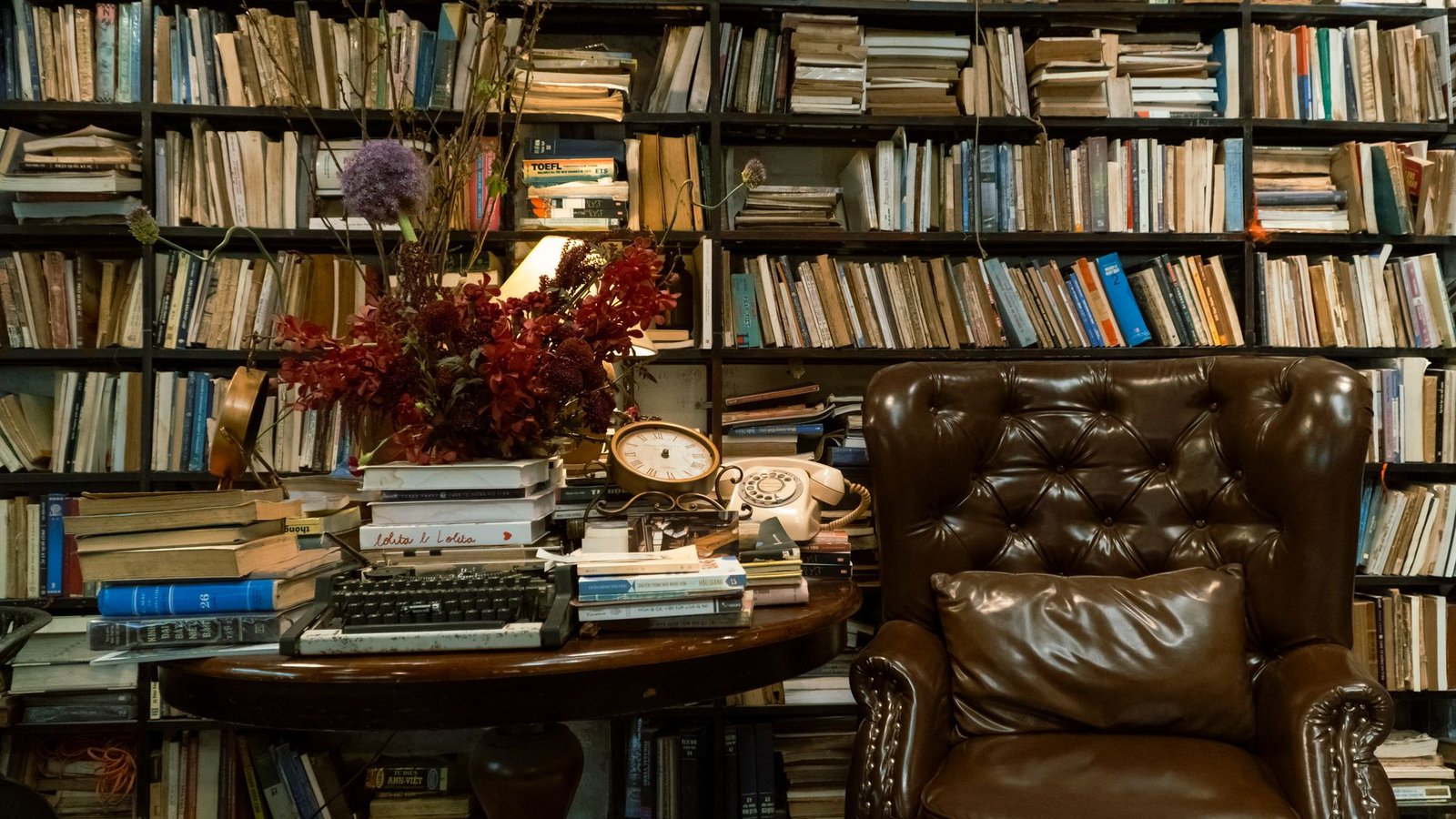
Place the chair so light falls on the page from behind and slightly to the side of your reading shoulder — a floor lamp with an adjustable arm behind or beside the chair does this well. Warm bulbs, around 2700K to 3000K, make the page easy on the eyes in the evening.
Add a small surface next to the chair: a side table, a stool, or a wide windowsill ledge for a mug, a pencil, and the book you are not reading right now. A rug under the chair softens sound and marks the library as its own zone. Two small sconces beside a built-in add style and light, and battery-powered sconces work where there is no wiring.
Small-Space Home Library Ideas
A small home does not need a small library — it needs a library that fits the space it has. These six layouts work in real homes, and none needs a spare room.
Turn a closet into a mini library. Remove the doors, paint the inside a cozy color, and add shelves on the back and side walls. A low bench or thick floor cushion turns the floor into seating, and a small clip lamp gives you reading light without any wiring.
Claim the space under the stairs. Shelves fitted to the slope hold books of every size, and the sloped ceiling makes the spot feel snug and private. Add a cushion and a small lamp, and the awkward space becomes the most-used seat in the house.
Line a hallway with shallow shelves. One wall of 8-inch shelves holds hundreds of paperbacks, and the hallway still works as a hallway — put your most-read books at eye level. If it is near the front door, our guide to entryway decor shows how to keep that wall looking finished instead of crowded.
Build a library behind the sofa. The wall behind a sofa often holds one large picture when it could hold a whole library. A shallow built-in or a row of anchored bookcases turns it into book storage — keep shelves 10 to 12 inches deep so the sofa still has room.
Make a window seat library. A bench under a window, with shelves on both sides, gives you the best reading light in the house and storage within reach. The space below the seat holds oversized books or baskets — it works in bedrooms, landings, and living rooms.
Divide a room with a bookcase. A freestanding bookcase set across a large room creates a library zone inside it — a reading corner on one side, living space on the other. Leave the back finished and tidy, since you will see it from both sides.
Better Homes & Gardens’ collection of home library ideas shows many of these layouts in real homes.
Style Your Shelves So They Look Collected, Not Cluttered
Styling a bookshelf follows one rule: books first, objects second, empty space always. The books are the point of the shelf; everything else is there to give your eyes a rest.
Mix vertical and horizontal stacks: stand most books upright, then lay a small pile flat to break up the rows — a flat stack also makes a base for a small plant or a framed photo. Leave a little empty space on every shelf, so it looks calm instead of crammed.
Choose one or two objects per shelf, not five — a vase, a small clock, a travel souvenir, or a framed print is enough. Repeat one color or one material across the shelves — brass, wood, or cream ceramics — so the objects feel like they belong together. Our guide to luxury home accessories has more ideas for choosing pieces that feel special.
Organize by subject first, and by color only if you like the look. Grouping by subject — cookbooks together, novels together, history together — means you can find a book without thinking. Color-coded shelves look striking in photos but make finding a book harder, so use them on one feature wall. Keep the books you reach for most at eye level, and put tall, heavy volumes on lower shelves.
If your shelves hold a whole room’s worth of books, our guide to interior decorating ideas has more ways to mix books, art, and objects without losing the thread. And if the library shares a wall with the dining area, our guide to decorating a dining room wall shows how one finished wall can define the room.
Keep Your Books Safe: Light, Damp, and Dust
Books last for decades when stored well. Three things do most of the damage: direct sun, damp, and dust.
Direct sunlight fades covers and yellows pages, so keep shelves out of full sun or hang a sheer curtain on a sunny window. An hour of morning sun is fine; all-day afternoon sun is not.
Damp is worse than sun. Never store books in a damp basement or a hot attic — the Library of Congress advises avoiding attics, basements, and other places with a high risk of leaks and big temperature swings. A dry room with a steady temperature is what books want, so if a room smells musty, fix the damp before you move books in.
Dust settles on the tops of books and works into the pages, so dust shelf tops every few weeks with a dry cloth and pull books out for a deeper clean twice a year. Keep books upright and snug — not jammed tight, not leaning — because leaning bends spines over time.
One more safety note for households with kids or pets: anchor every tall bookcase to the wall, keep heavy books low, and never let anyone climb shelves to reach the top. Use a stable step stool or a rolling library ladder for high shelves, with the wheels locked when you climb.
Worked Example: A One-Wall Library for Under $600
Imagine a 10-foot wall in a living room corner, with a reading chair beside it. Here is a full plan, with example costs — prices vary by store and region, so treat these as a budget sketch, not a quote.
| Item | What it does | Example cost |
|---|---|---|
| Two flat-pack bookcases, 31 in wide each | The library wall, about 5 feet of shelves | $140 |
| Base platform, trim, crown molding, paint | Turns bookcases into a built-in look | $60 |
| Wall anchors and screws into studs | Keeps tall shelves from tipping | $15 |
| Deep reading chair, secondhand or budget | The seat you stay in for an hour | $180 |
| Adjustable floor lamp, warm bulb | Light on the page, not in your eyes | $45 |
| Small side table | Holds a mug and the next book | $40 |
| Baskets, bookends, and one throw | Storage, upright books, and warmth | $70 |
| Total | A finished one-wall library | $550 |
The shelves follow the planning rules: 11 inches deep, spans under 32 inches, anchored to studs before filling. The chair sits beside the shelves, not in front of them, so you can see the whole collection while you read, and the lamp stands behind the chair’s reading shoulder. Nothing here needs a contractor — the bookcases go up with basic tools, and the trim and paint take a weekend.
Frequently Asked Questions
How much space does a home library need?
A home library can be one wall, an alcove, or a whole room — the size depends on your collection, not your floor plan. Count your books first, then the seating: a single 5-foot wall of shelves holds hundreds of books, and a chair beside it is all the seating you need.
How deep should bookshelves be?
Most bookshelves should be 10 to 12 inches deep, which fits hardcovers and paperbacks without wasting space; hallway or closet shelves can be 8 to 9 inches deep. Deeper shelves waste space and let books disappear behind one another.
Can I build a home library in a small apartment?
Yes. A closet library, a hallway wall of shallow shelves, a window seat with storage, or two bookcases in a corner all work in apartments. Freestanding bookcases are best for renters — they move with you, and only the safety anchors are fixed to the wall.
How do I keep my books from getting damaged?
Keep them out of direct sun, out of damp rooms, and out of hot attics. Store them upright and snug, dust the shelf tops every few weeks, and keep heavy books on lower shelves. If a room smells musty, fix the damp before you move books in.
Are built-in bookshelves worth it?
Built-ins look seamless and use every inch of a wall, and they suit owners who plan to stay. But a flat-pack hack — bookcases fixed to the wall, trimmed, and painted one color — gives you nearly the same look for far less money, and freestanding bookcases give you flexibility. Pick the option that fits your budget and how long you will stay.
A Short Close
A home library comes down to three choices: which wall, how strong, and where you sit. Pick the quiet wall you already have, plan shelves that fit your books and will not sag, and put a comfortable chair beside them with light on the page — then start with the books you love most.
Start with one wall and one chair. If you find yourself reading there every evening, add the next shelf — and if the chair is wrong, swap it. Our guide to how to design a luxury living room follows the same idea in the next room: one comfortable spot at a time, sized to the furniture, lit for the way you live.
Disclaimer: Every home, room, budget, and collection is different, so use this guide as general information and check the details for your own space. For heavy built-in shelving, wall anchoring, or any structural change to a wall or floor, hire a licensed professional.