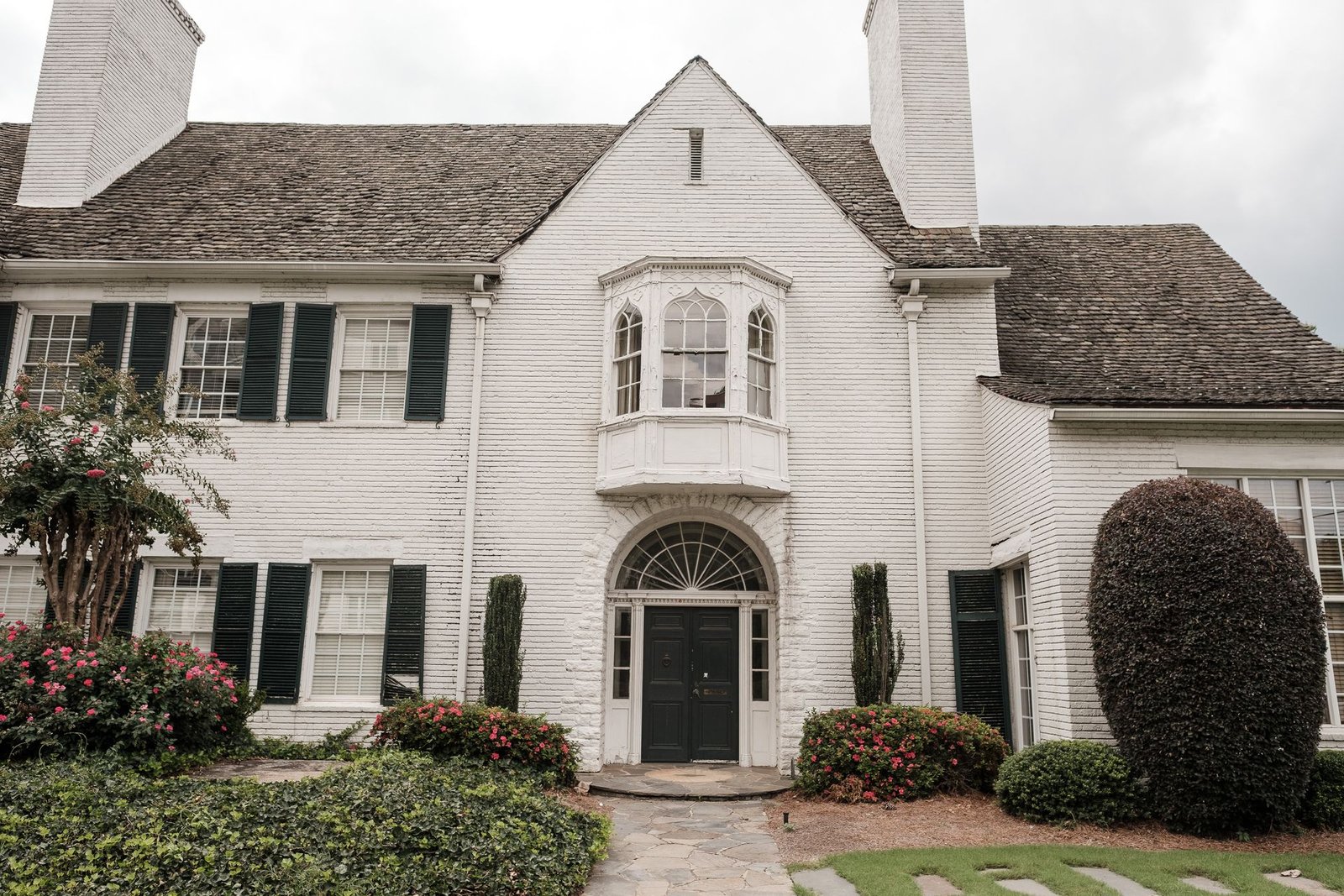
Painted Brick Houses: A Complete Guide to Painting Exterior Brick
Painted brick houses look fresh and modern — but the paint is almost permanent, so the decision deserves more thought than the colour. Yes, you can paint brick, and on sound, dry brick it can last 15 to 20 years. The catch: brick needs to breathe, and the wrong paint traps moisture until paint peels and brick flakes. This guide covers the paint, costs, colours, styles, and risks.
Why Homeowners Paint Their Brick
Most people paint brick for one of three reasons: colour, patchwork, or style. A dated orange, pink, or muddy brown brick makes a good house look tired, and paint is the fastest way to change it. Old repairs, replaced bricks, and filled holes never quite match, and one even coat hides them all. And paint can turn a plain ranch into a house that looks designed.
Paint also sheds rain and keeps dirt out of the brick texture. But paint is not a repair: it will not fix a leak or stop water already getting into the wall. Fix those first.
The One Decision You Cannot Undo
Painted brick is close to a one-way door. The Brick Industry Association cautions that paint is very difficult to remove from brick without damaging it, and stripping is sometimes quoted at $8 to $15 per square foot. Once painted, the house needs repainting on a cycle for as long as you own it.
So rule out the bad cases first. Do not paint brick that is damp, water-damaged, or crumbling — fix the moisture first. Do not paint historic pre-1920 brick, which was fired softer and depends on breathing. Do not paint glazed brick: mineral paint, stain, and limewash will not bond to it, and regular paint barely holds. And think hard if you plan to sell soon: painted brick splits buyers. If your house was built before 1978, old paint may contain lead, and sanding or scraping it yourself is not safe. A certified lead-safe professional should test it and handle any removal.
The Right Paint for Brick: Mineral, Latex, Limewash, or Stain
The paint matters more than the colour. Brick is porous: it soaks up moisture, then lets it back out as it dries. A coating that seals the surface shuts that cycle down. Water stays inside, and in cold weather it freezes, expands, and pops the face off the brick — a failure called spalling. The white chalky residue you sometimes see on painted brick is efflorescence, minerals pushed to the surface by trapped moisture.

Mineral (Silicate) Paint: The Breathable Choice
Mineral paint, also called silicate paint, is the safest choice for exterior brick. Its silicate binder bonds chemically with the masonry instead of sitting on top of it. The paint becomes part of the wall, and it does not change the brick’s vapour permeability, so moisture can still move out. Warranties often run 15 years or more, and some projects go 30 years without recoating. It costs more per gallon than latex and needs clean, unsealed brick. If the brick already has acrylic paint, mineral paint usually is not an option unless the old paint is stripped.
Acrylic Latex Masonry Paint: The Common Choice
Acrylic latex masonry paint is what most painters reach for. It forms a film over the surface, gives full opaque colour in any shade, and costs less than mineral paint. On a sound, dry wall it works, but it is a recurring maintenance system: most guides put its lifespan at 8 to 10 years, and on damp walls trapped moisture can cause blistering and peeling sooner. If you choose latex, use a paint made for masonry over an alkali-resistant primer, because alkaline mortar can defeat ordinary primer. This Old House makes the same point in its guide to painting brick or masonry: clean the surface, apply a masonry primer, and use a paint made for masonry.
Limewash and Masonry Stain: The Lighter Options
Limewash is the oldest finish here — slaked lime mixed with water. It soaks into the surface, stays fully breathable, and gives a soft, semi-translucent patina that lets the brick texture show through. It weathers gradually rather than peeling, and lasts 5 to 10 years or more, with a fresh coat when it fades. It suits historic and moisture-prone walls, but colours stay muted: whites and earthy tones. Masonry stain is the other light option. It soaks into the brick pores and recolours the brick while keeping its texture, and it generally needs no maintenance, with lifespans of 20 years or more cited. A stain cannot hide mismatched repairs the way opaque paint can.
| Finish | How it works | Breathability | Typical lifespan | Best for |
|---|---|---|---|---|
| Mineral (silicate) paint | Bonds chemically into the brick | High — stays breathable | 15–20+ years | Sound brick, any colour, long-term finish |
| Acrylic latex masonry paint | Forms a film on the surface | Low to none | 8–10 years | Sound, dry walls; widest colour choice |
| Limewash | Lime and water soak into the surface | Fully breathable | 5–10+ years | Historic or moisture-prone walls, soft look |
| Masonry stain | Soaks into brick pores | Breathable | 20+ years | Recolouring sound brick without hiding texture |
How Much Does It Cost to Paint a Brick House?
Published 2026 guide ranges put professional painting at $3,500 to $10,500, averaging around $7,000, or roughly $1.40 to $4.20 per square foot. HomeGuide’s range is similar: $2,000 to $8,000. A limewash job averages closer to $2,000. Doing it yourself runs about $700 to $1,400 or more in materials.
| Brick wall area | Typical house | Professional cost range |
|---|---|---|
| 400 sq ft | Brick front or lower storey | $1,000–$2,000 |
| 1,200 sq ft | Brick ranch, most walls | $3,000–$6,000 |
| 2,500 sq ft | All-brick two-storey colonial | $6,250–$12,500 |
Price moves with masonry repairs, coat count, paint type, height, and local labour rates. Get the estimate in writing with the paint product named. A quote that names breathable mineral paint is a different job from one that names regular exterior latex, even at the same price.
Prep Work: The Step That Decides Whether It Lasts
The finish is won or lost before the first coat: a job done right lasts 15 to 20 years, a job done wrong starts peeling within two. Bob Vila walks through the same three-part process — clean, prime, paint — in its guide to how to paint brick like a pro.
Clean the Wall and Let It Dry
Pressure wash the brick to remove dirt, moss, and loose material. Use a 2,000 to 3,000 PSI washer with a 25-degree tip, held 12 to 18 inches from the wall. Then let the wall dry completely: at least 48 to 72 hours of dry weather before priming. Painting a damp wall is the most common cause of early failure, because the paint seals moisture in on day one. New brick should cure for at least a year before painting, since it releases white salt deposits — efflorescence — during its first year.
Repair Mortar and Treat Efflorescence
Walk the wall and fix what is broken. Fill cracks and replace missing mortar before painting; paint stretched over an active crack just shows the crack again within a season. If you see white, powdery salt deposits, brush them off and let the wall dry fully before coating — painting over active efflorescence traps the salts and causes blistering. New or repaired mortar should cure for at least 30 days before it is painted.
Prime With a Masonry Primer
Primer is not optional on brick. Use a masonry-bonding, alkali-resistant primer, which grips the porous surface and blocks the alkalinity of the mortar from attacking the topcoat. One gallon of primer covers about 250 square feet. Spray large areas and brush the mortar joints, then let it dry per the label. Then apply two full coats of your topcoat, allowing about four hours between coats — longer if humidity is above 70 percent. Paint only when the temperature is 40°F or warmer, and keep the surface at least 5°F above the dew point.
Popular Colours for Painted Brick Houses
Colour is where the project turns fun — and where a house can go wrong. Test before you commit. Paint a large sample — at least 2 by 2 feet — on a hidden side of the house, and look at it in morning light, midday sun, and evening shade for a few days.
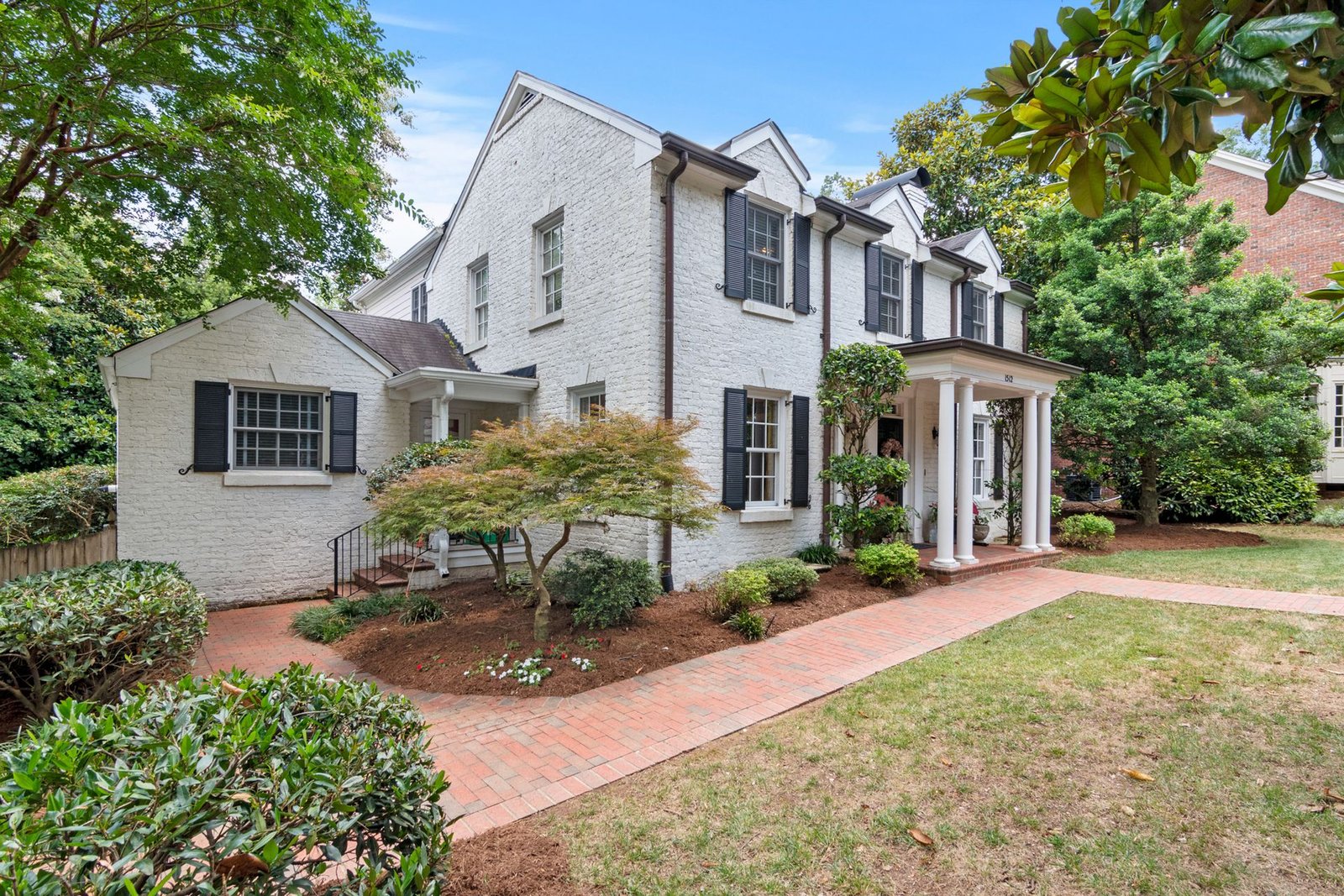
White: The Classic Reset
White is the most popular choice for painted brick houses, and the safest one. A warm white softens a red or orange brick without making the house look stark, and it brightens a shaded lot. The trick is the undertone: a white with a warm, creamy base suits red brick and wood trim, while a cooler white suits grey roofs and black windows. Our guide to white house with black trim shows how a white brick wall pairs with dark trim for a crisp, classic look.
Black and Charcoal: The Modern Statement
Black, charcoal, and deep navy turn a brick house into a modern statement. Dark colours make a house look more substantial and grounded, and they hide patchwork as well as white does. They work best on houses with strong, simple shapes — a ranch, a modern farmhouse, or a two-storey box — with light trim and a light roof to keep the house from looking heavy. Dark paint also absorbs more heat and shows fading sooner.
Greige and Sage: The Soft Middle
Greige — the grey-beige middle ground — and sage green are the quiet choices that age well. Greige suits houses with stone, warm wood, and grey roofs, because it picks up the undertones already on the property. Sage works with gardens and tree-heavy lots, where the house should sit into the landscape rather than stand out from it. Both colours are forgiving: they hide dirt, they do not glare in the sun, and they pair with almost any trim colour. That same idea runs through our entryway decor guide: pull your palette from the house itself, then repeat it inside and out.
Which House Styles Suit Painted Brick?
Painted brick suits more styles than most people expect — the paint is only the finish. A farmhouse takes white or greige beautifully, especially with black windows and a standing-seam metal roof; see our modern farmhouse house plans guide before you buy a plan. A cottage suits sage or cream with a coloured door — see our cottage style home plans for the layouts that pair with that look.
Two styles deserve a warning. A Tudor, with its steep gables and half-timbering, can take painted brick, but the paint should stay light — white or cream — so the dark timber details still read against it; our tudor style home guide shows how the style balances brick, timber, and stone. A Cape Cod suits white or pale grey, which matches its low, compact shape; see our cape cod house style guide for the details that define it.
Worked Example: A 1,200-Square-Foot Brick Ranch Painted for $4,700
Take a single-storey brick ranch in Ohio with about 1,200 square feet of brick wall, in fair condition: a few cracked joints, some dirt and moss, no active leaks. The owners want a warm white mineral paint finish by a professional crew.
| Item | What it covers | Example cost |
|---|---|---|
| Pressure washing and cleaning | Full wash, efflorescence brushed off | $350 |
| Mortar repairs | Repointing cracked joints, small patches | $450 |
| Masonry primer, 5 gallons | One coat over 1,200 sq ft | $275 |
| Mineral paint, 10 gallons | Two coats over 1,200 sq ft | $850 |
| Professional labour, 3 days | Two painters, prep through finish | $2,400 |
| Sprayer rental and supplies | Sprayer, rollers, brushes, masking | $175 |
| Extra paint for touch-ups | One gallon kept for later repairs | $200 |
| Total | $4,700 |
The job took five days: washing and drying, repairs and priming, two topcoats, and a final morning for touch-ups. At $4,700 for 1,200 square feet, the cost works out to about $3.90 per square foot — inside the published 2026 range of $1.40 to $4.20 per square foot, and toward the top of it because mineral paint costs more than latex.
Maintenance: How Long Painted Brick Lasts and What It Needs
Painted brick is not maintenance-free — it is maintenance on a schedule. How long the finish lasts depends on the paint: acrylic latex masonry paint typically lasts 8 to 10 years, limewash 5 to 10 years, mineral paint 15 to 20 years or more, and masonry stain 20 years or more.
Wash the wall once a year with mild detergent and a soft brush. Inspect it at the same time for cracking, peeling, or blistering, especially around windows, at the base of the wall, and under gutters. Fix small problems quickly: a blister left alone becomes a peel, and a peel left alone exposes bare brick. Touch up with the same paint, and keep a labelled gallon stored indoors.
Mistakes to Avoid When You Paint Brick
- Painting a damp wall. Wet brick seals moisture in on day one and peels within a season.
- Skipping the primer. Bare brick drinks paint unevenly, and alkaline mortar attacks the topcoat. A masonry primer is not optional.
- Using the wrong paint. Regular exterior latex is made for wood and siding, not brick. On brick it forms a film that traps moisture.
- Painting new brick. Brick under a year old is still releasing salts. Wait, or the finish will show white deposits within months.
- Painting over a leak. Paint hides a water problem for a season, then fails worse than before. Fix gutters, flashing, and mortar first.
- Painting glazed brick. Mineral paint, stain, and limewash will not bond to it, and regular paint barely holds.
- Choosing a colour from a chip alone. Test a large sample on the house first.
- Forgetting the repaint cycle. The first paint job is the cheap one. Budget for the next coat in 8 to 15 years, depending on your paint.
Frequently Asked Questions
Can you paint brick on a house?
Yes, on sound, dry, clean brick with no moisture problems. Use a breathable mineral paint or limewash for the lowest risk, or an acrylic latex masonry paint over an alkali-resistant primer if you accept repainting every 8 to 10 years.
How long does painted brick last?
It depends on the finish: acrylic latex masonry paint lasts about 8 to 10 years, limewash 5 to 10 years, mineral paint 15 to 20 years or more, and masonry stain 20 years or more.
Can painted brick be reversed back to natural brick?
Almost never, and not cheaply. The Brick Industry Association notes that paint is very difficult to remove from brick without damaging it, and chemical stripping is sometimes quoted at $8 to $15 per square foot.
Is painting brick bad for the brick?
It can be, if the wrong paint is used. Film-forming paints trap moisture, causing spalling and efflorescence. Breathable mineral paint and limewash let moisture escape.
How much does it cost to paint a brick house?
Professional painting runs $3,500 to $10,500, averaging around $7,000, or about $1.40 to $4.20 per square foot. Doing it yourself runs about $700 to $1,400 or more in materials.
A Painted Brick House Starts With the Right Paint
Painted brick houses work when the decision is made in the right order: wall first, paint second, colour last. A sound, dry wall with mineral paint can look good for 15 to 20 years. The paint is the easy part.
Carry the colour through the rest of the exterior with our front porch decor ideas and mansion floor plans guides.
Disclaimer: This guide shares general home improvement information for planning purposes. Costs, paint performance, and lifespans vary by house, climate, and product, and every brick wall is different. Hire a licensed professional for lead-safe work, structural or moisture problems, and any job that needs scaffolding or spray equipment, and get local professional advice before you change your home’s exterior.